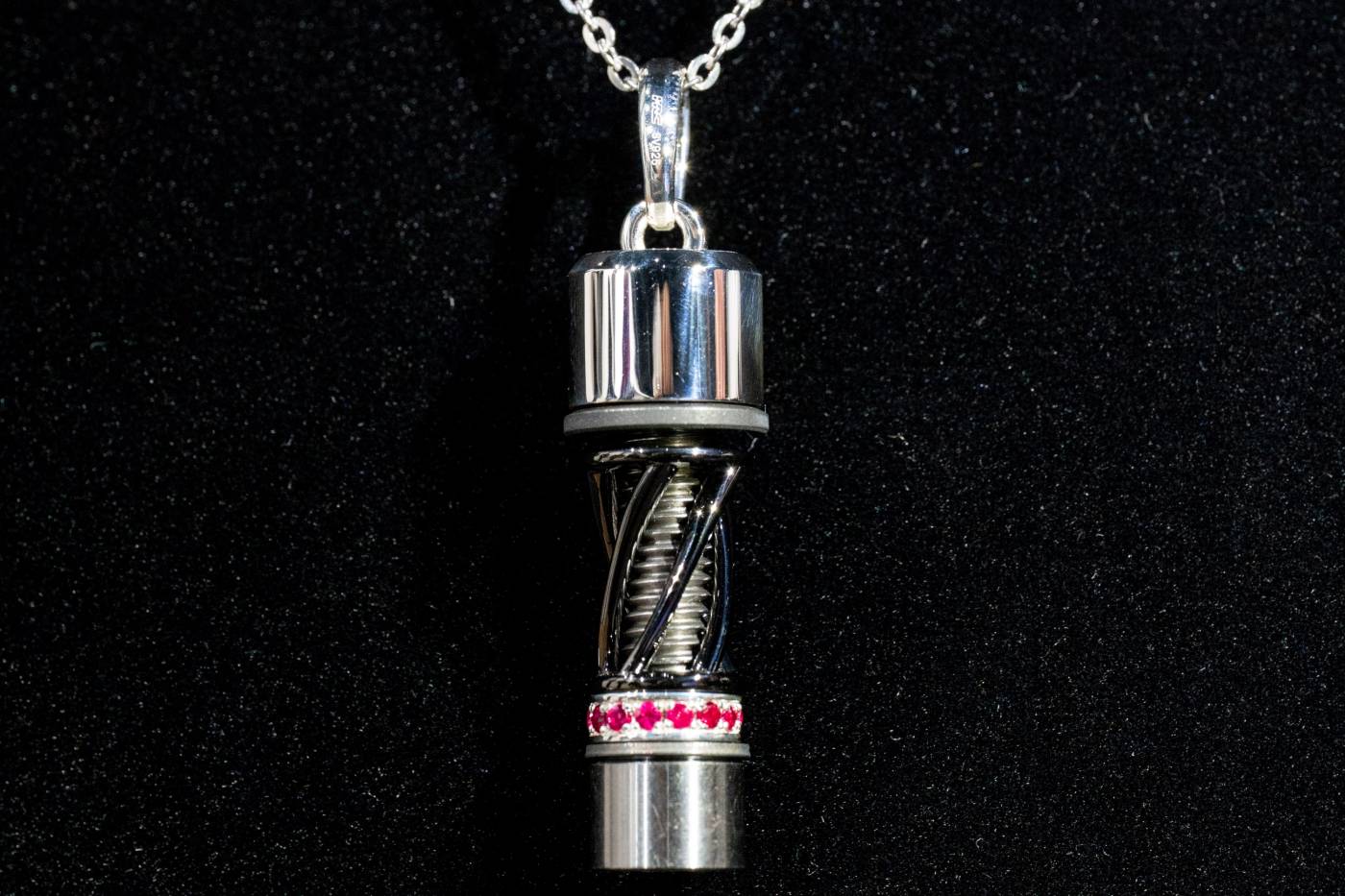
HRC unveils New Memorabilia Collection
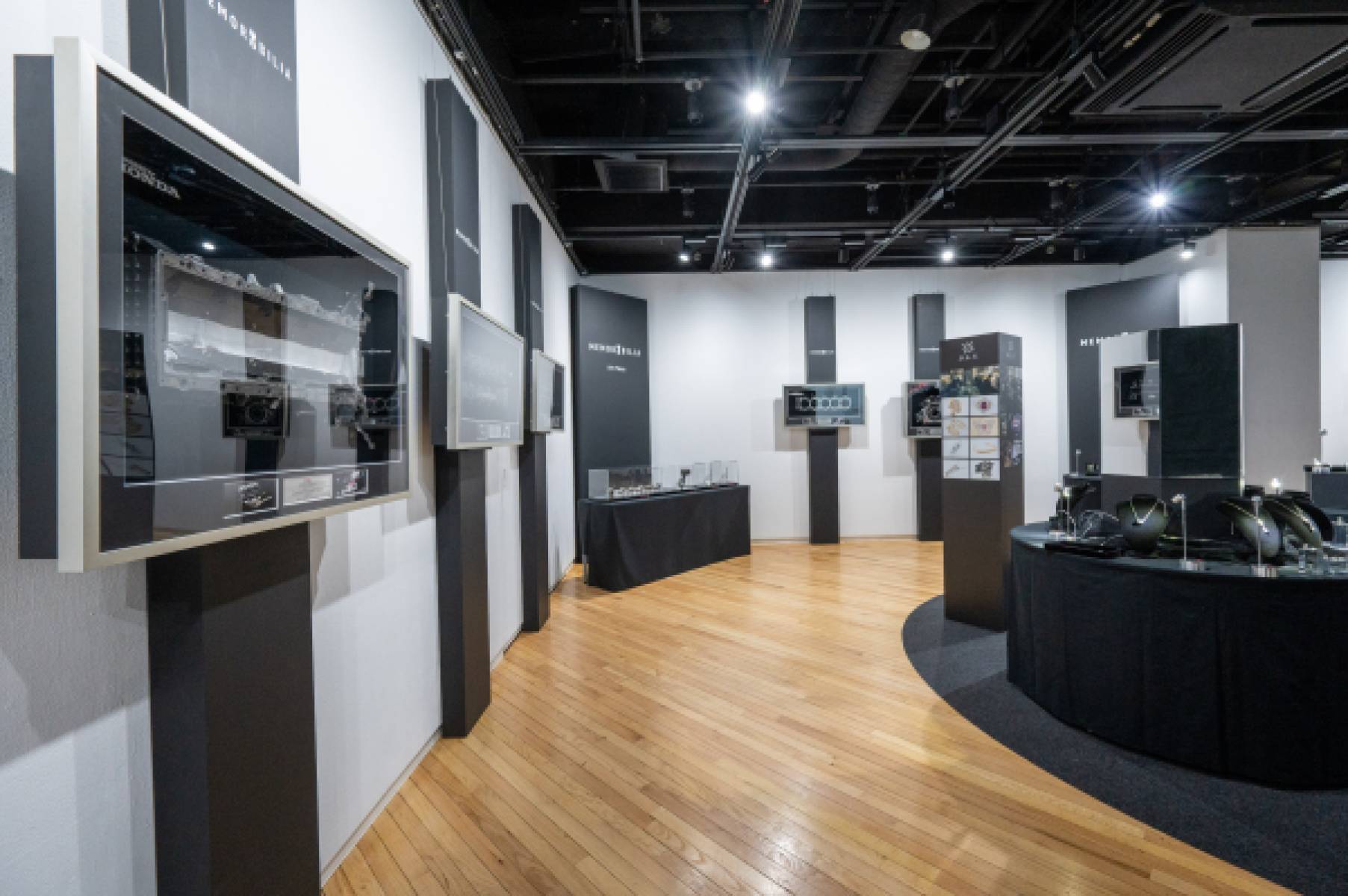
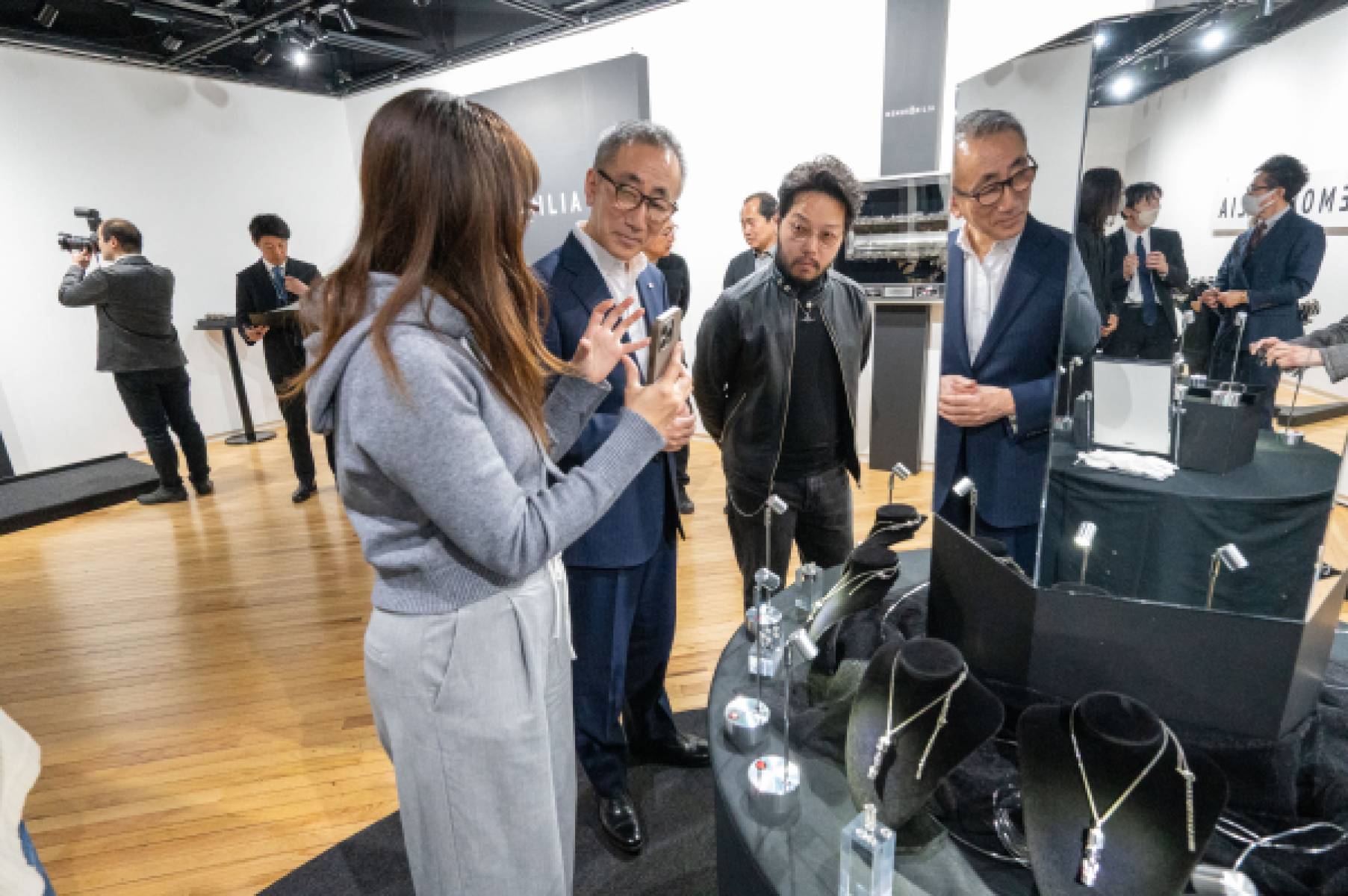
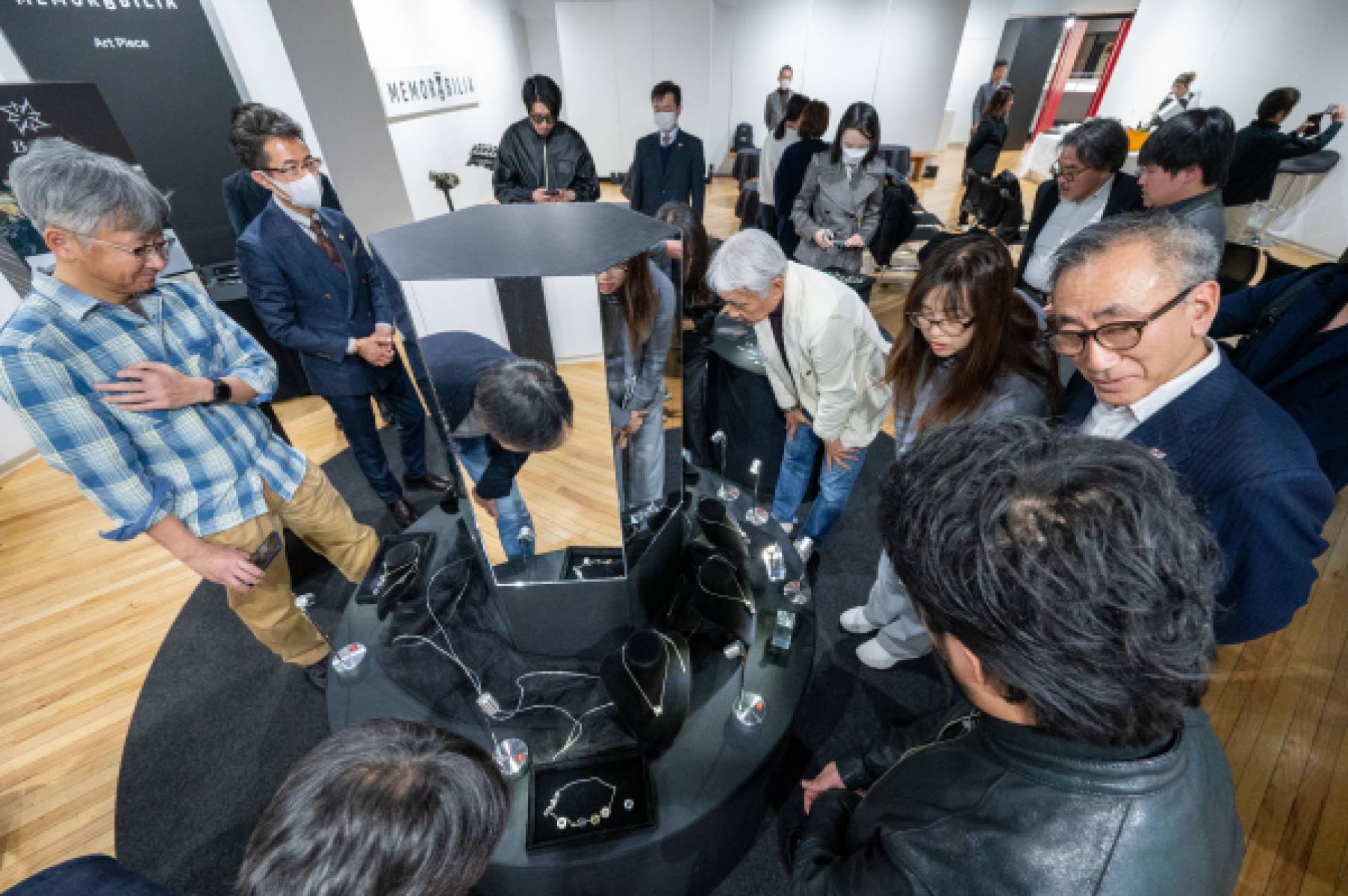
On March 13, Honda Racing (HRC) revealed its new memorabilia collections, the “Art Parts Collection” and the “Art Piece Collection”, at the AXIS Gallery in Roppongi, Tokyo.
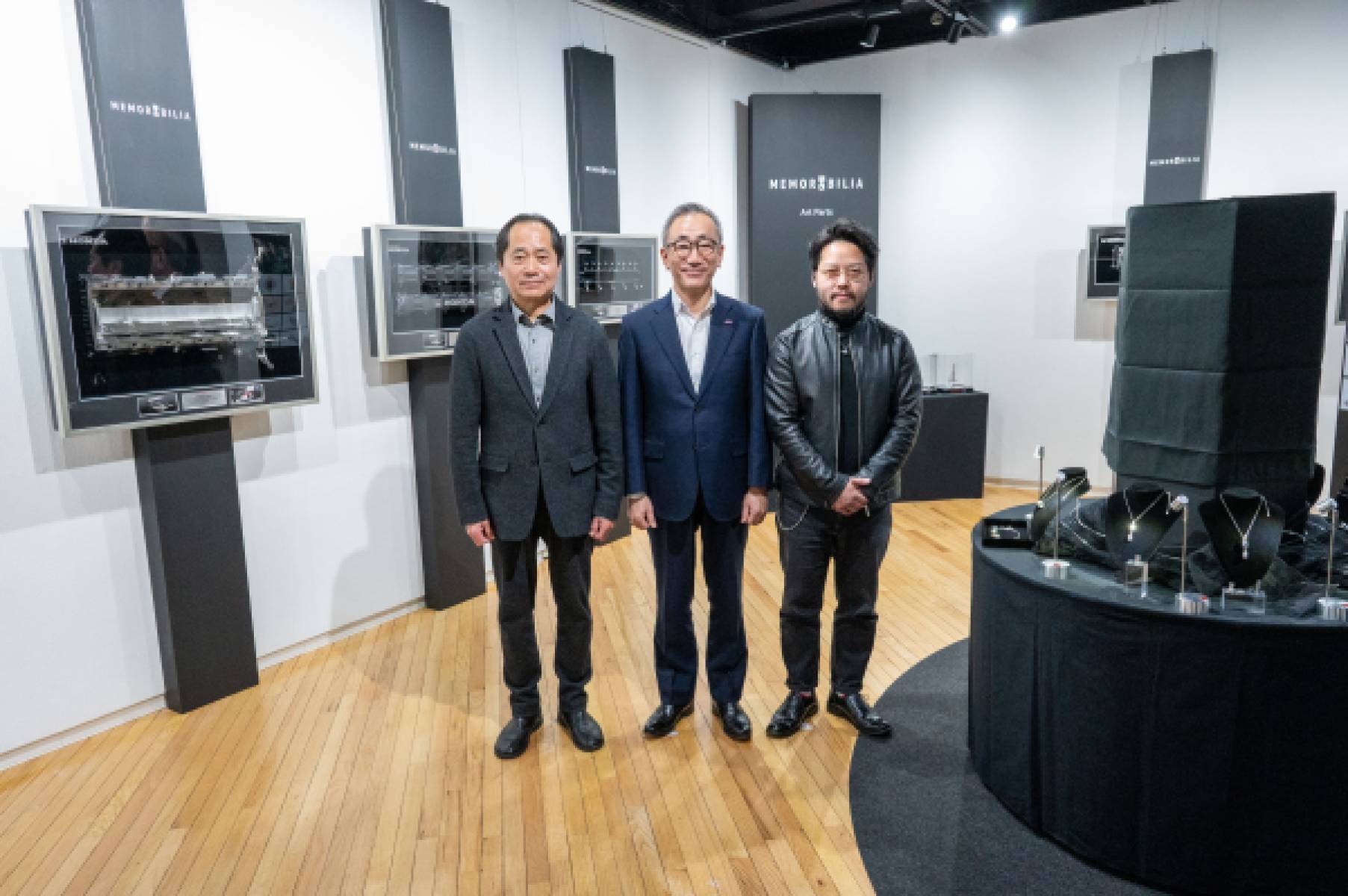
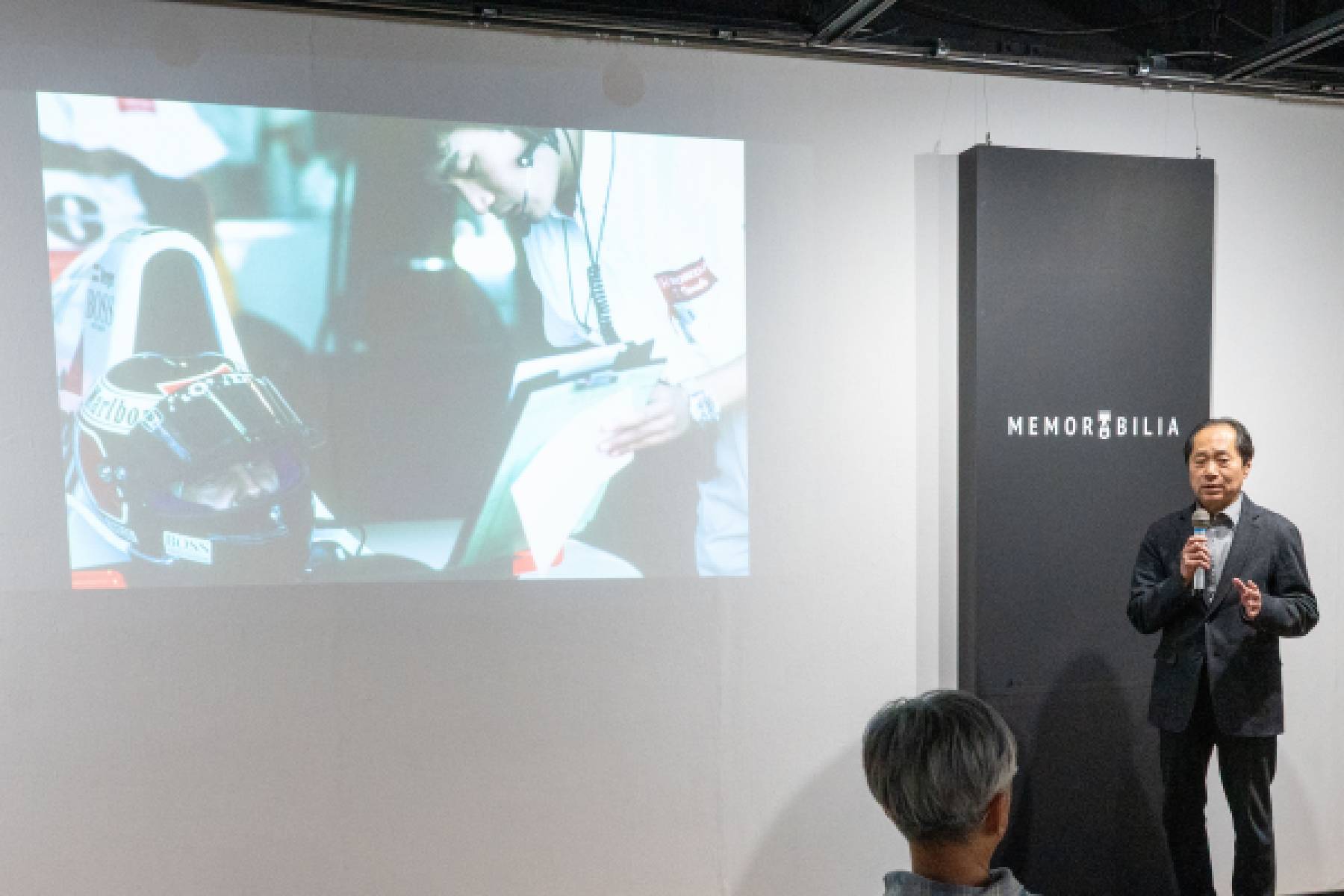
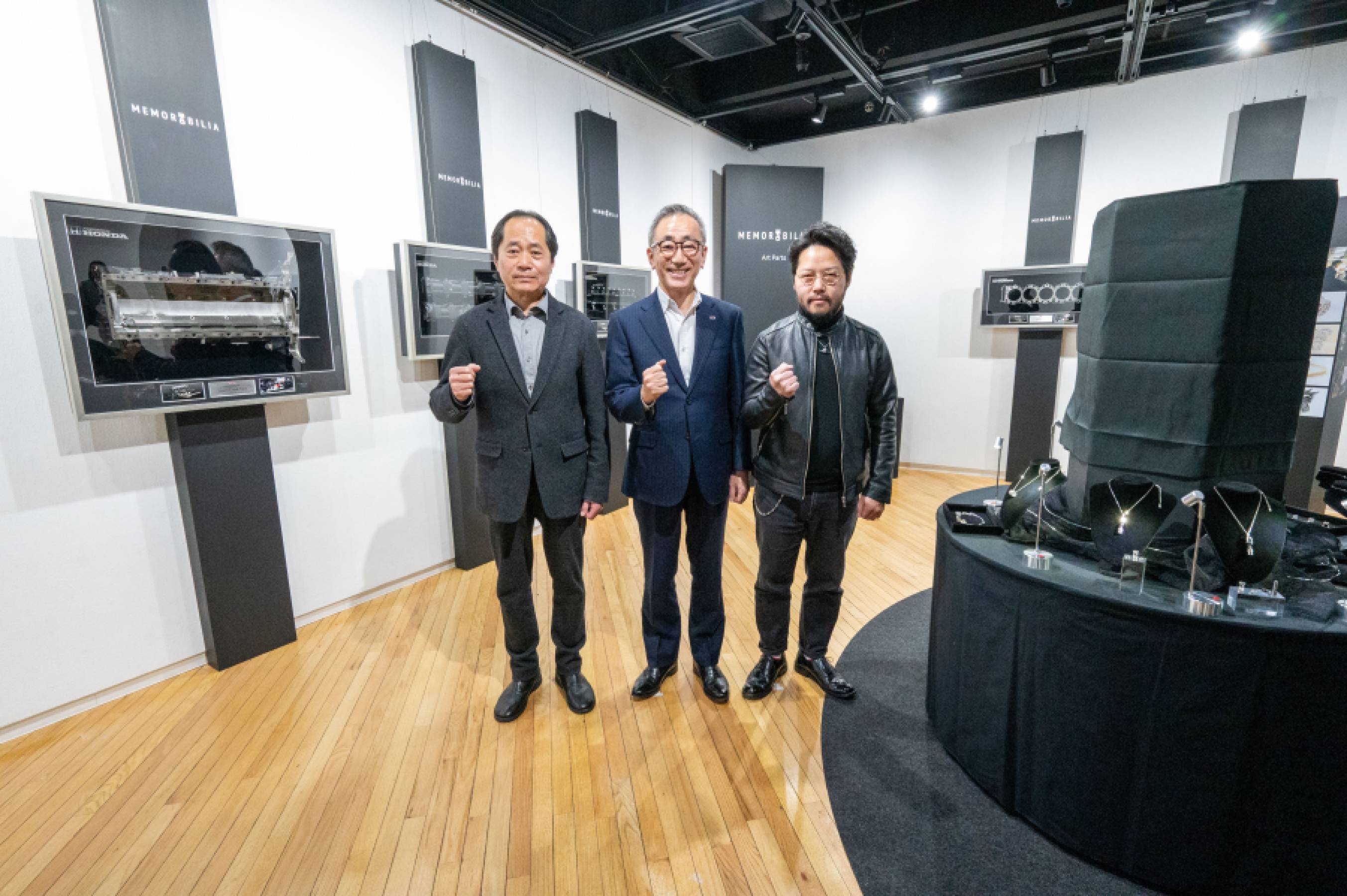
HRC’s Yukitoshi Fujisaka and Toyoharu Tanabe, along with Masataka Sato, a designer from B.L.S. Co., Ltd., who was responsible for creating the jewellery pieces, were in attendance. They shared insights and their strong passion regarding the F1 engine and the development of this new line of memorabilia.
In April 2025, HRC announced the launch of its memorabilia business as a project aimed at sharing historically significant motorsport assets—such as F1 engines—with fans and collectors.
As the first installment, the “Honda RA100E” engine, which was raced in Formula 1 in 1990 by Ayrton Senna and Gerhard Berger, was carefully disassembled by the original mechanics from that era. The engine used by Senna was presented as an “All Parts Display,” with every component laid out, and was auctioned at Monterey Car Week in the United States, where it was successfully sold.
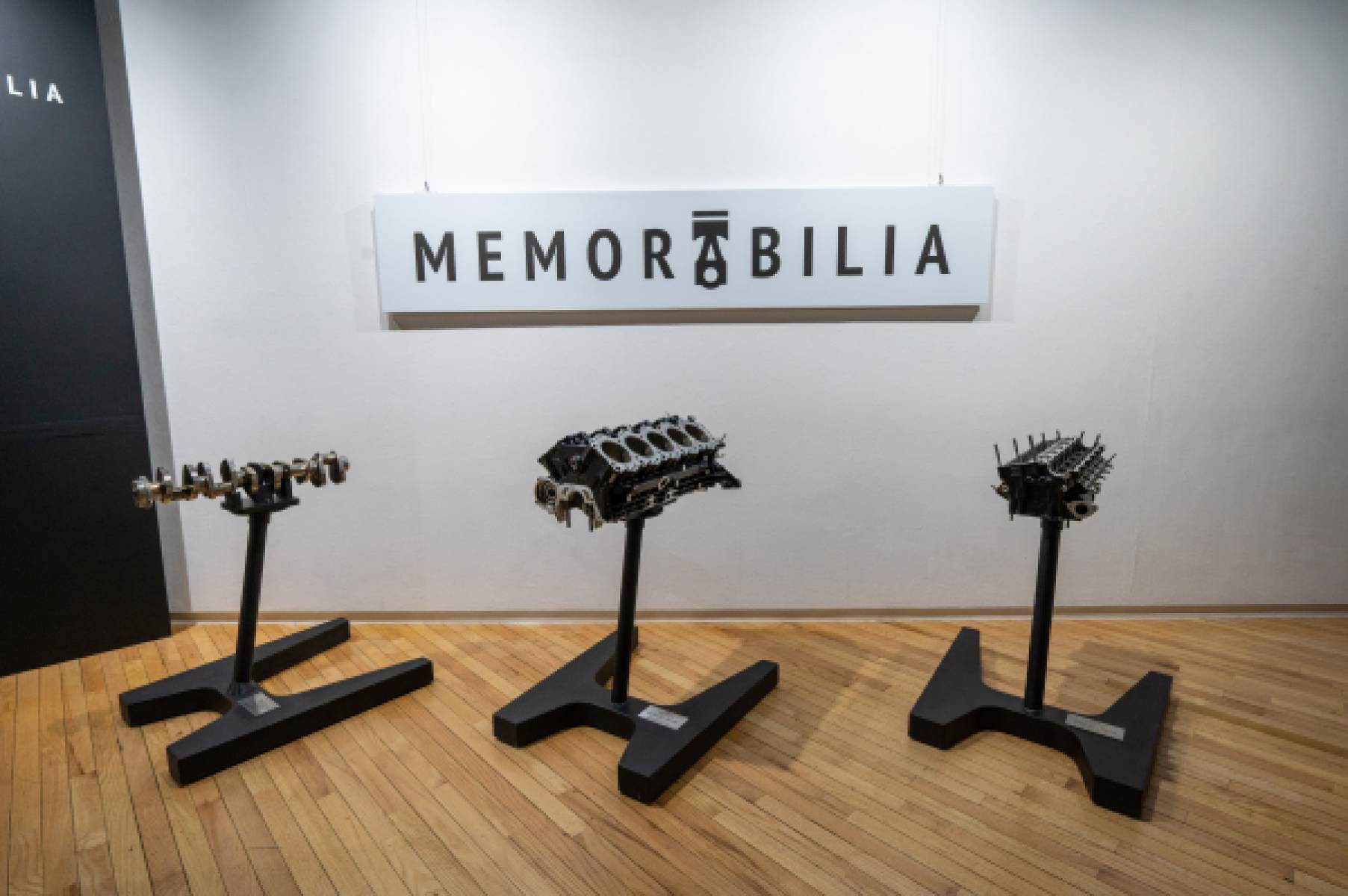
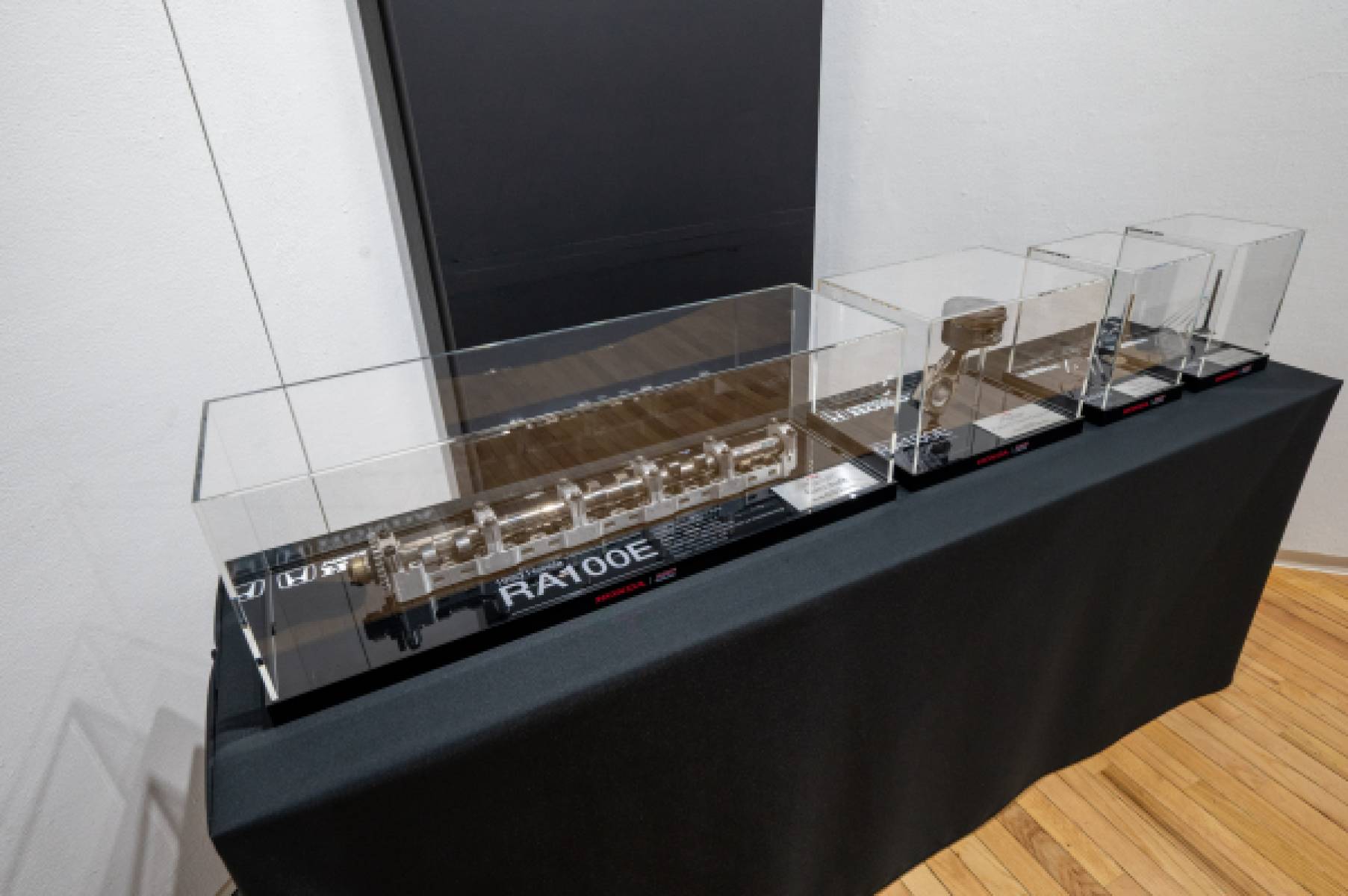
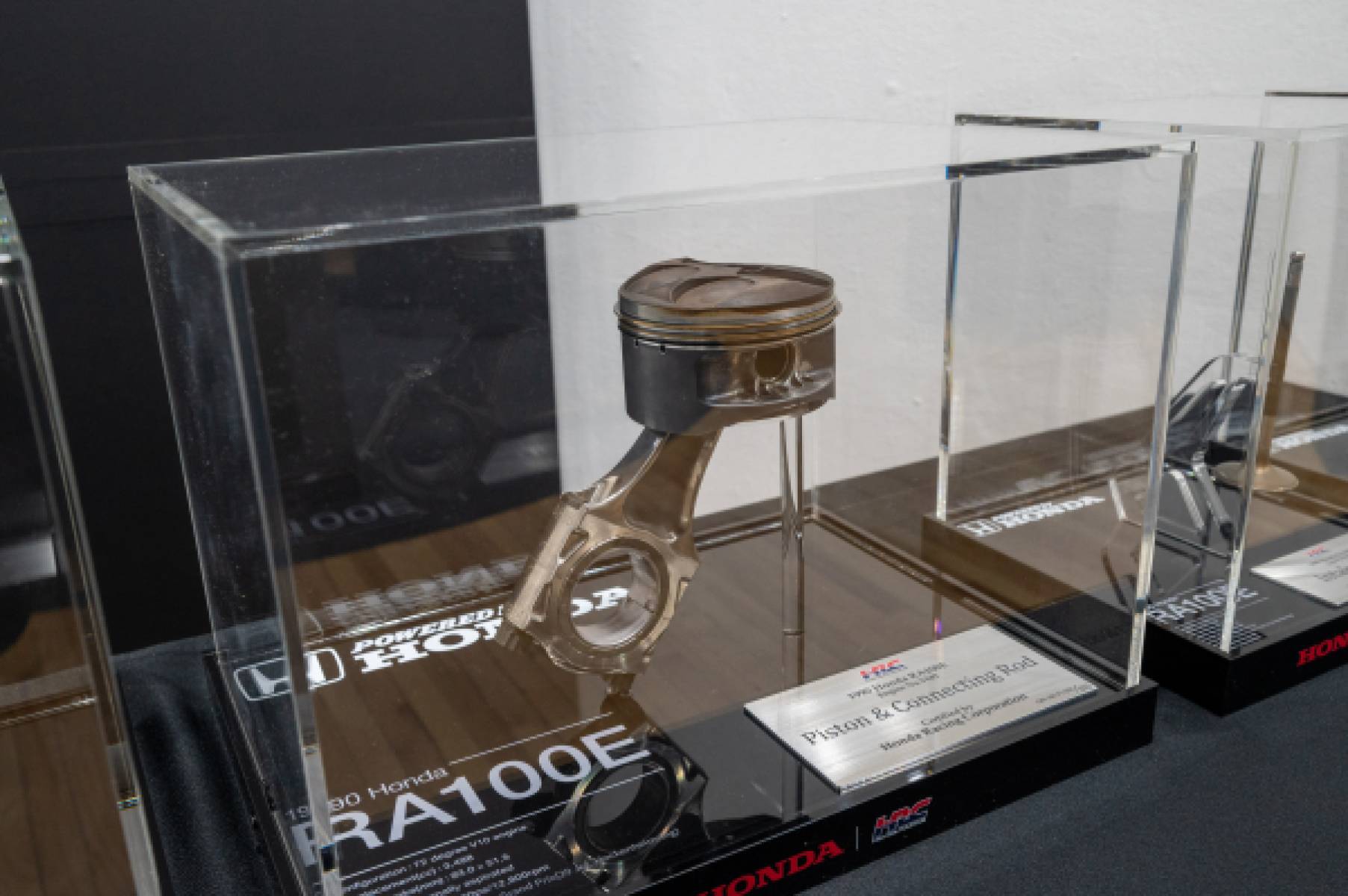
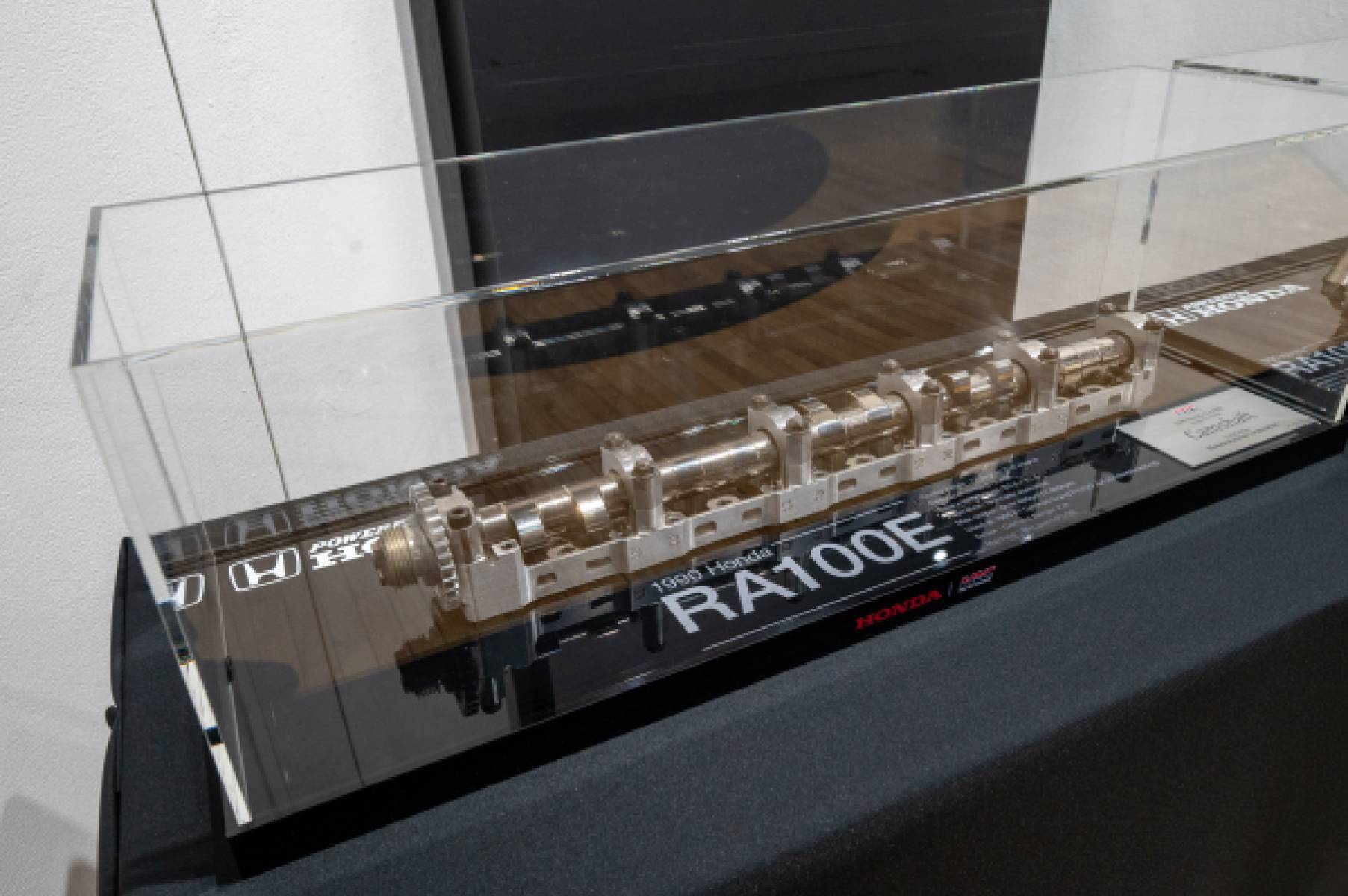
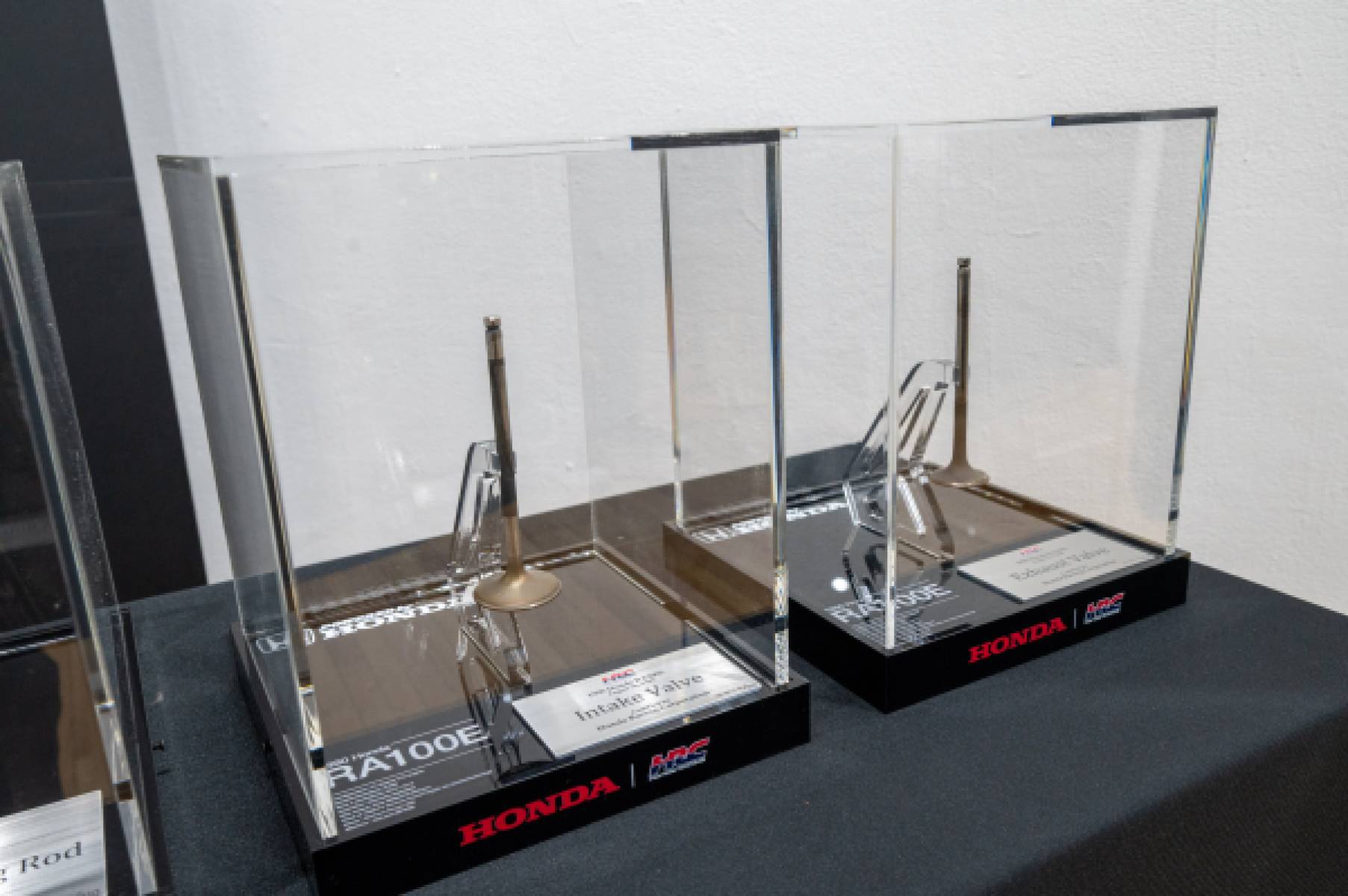
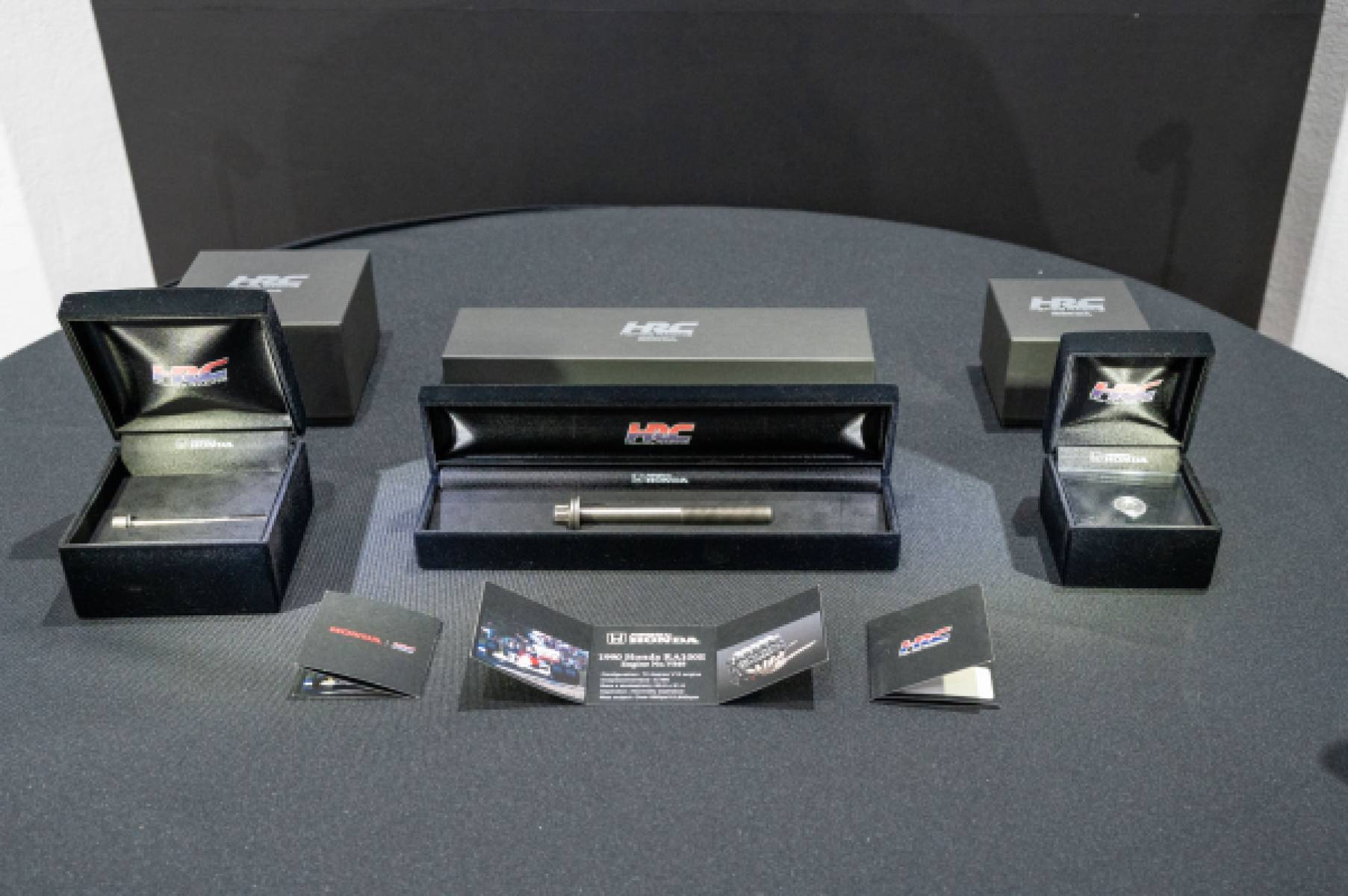
This time, key components from the engine used by Berger—such as the cam cover, pistons, and connecting rods—have been framed or housed in dedicated display cases and released as the “Art Parts Collection,” each accompanied by an official HRC certificate of authenticity.
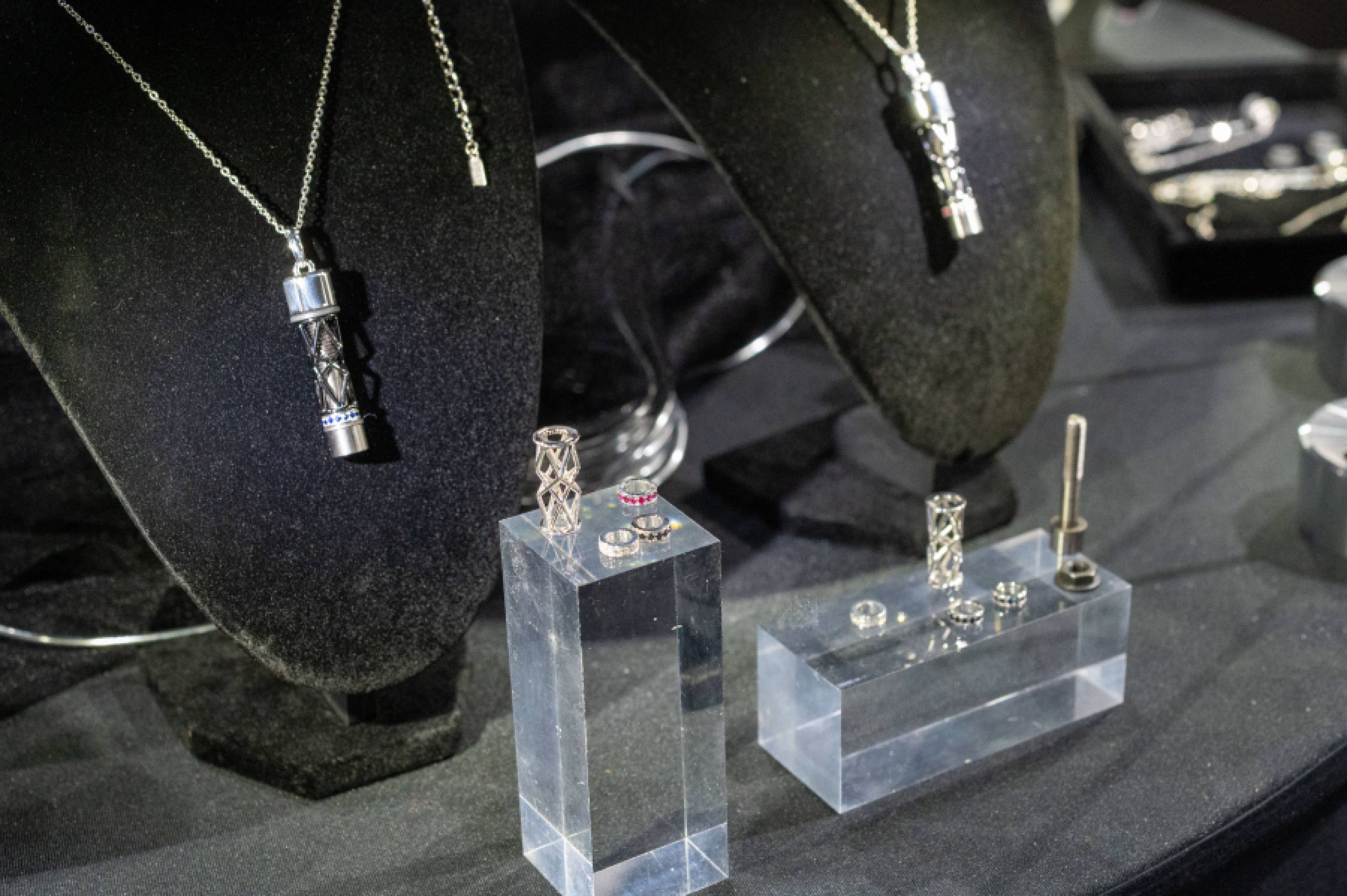
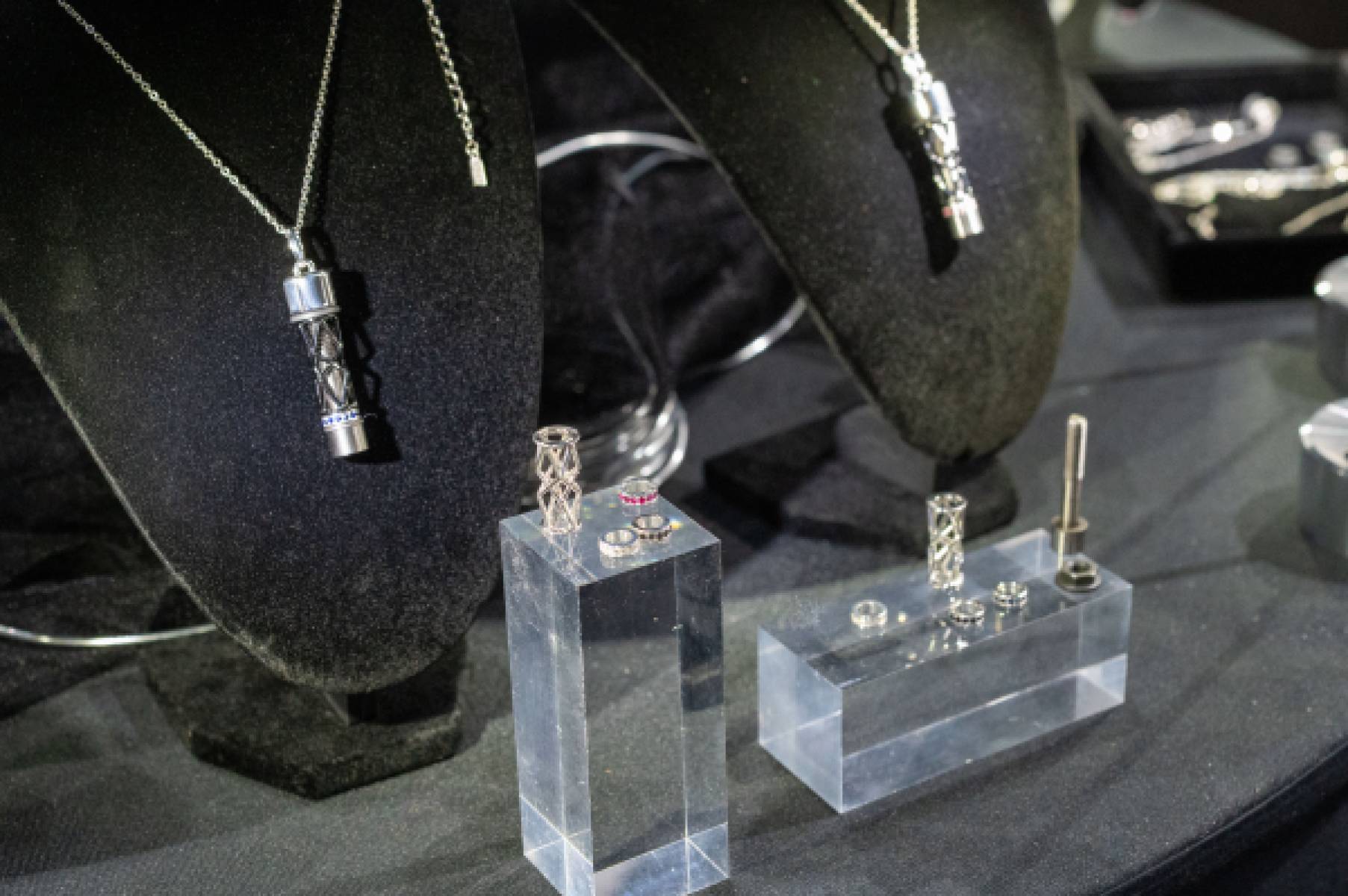
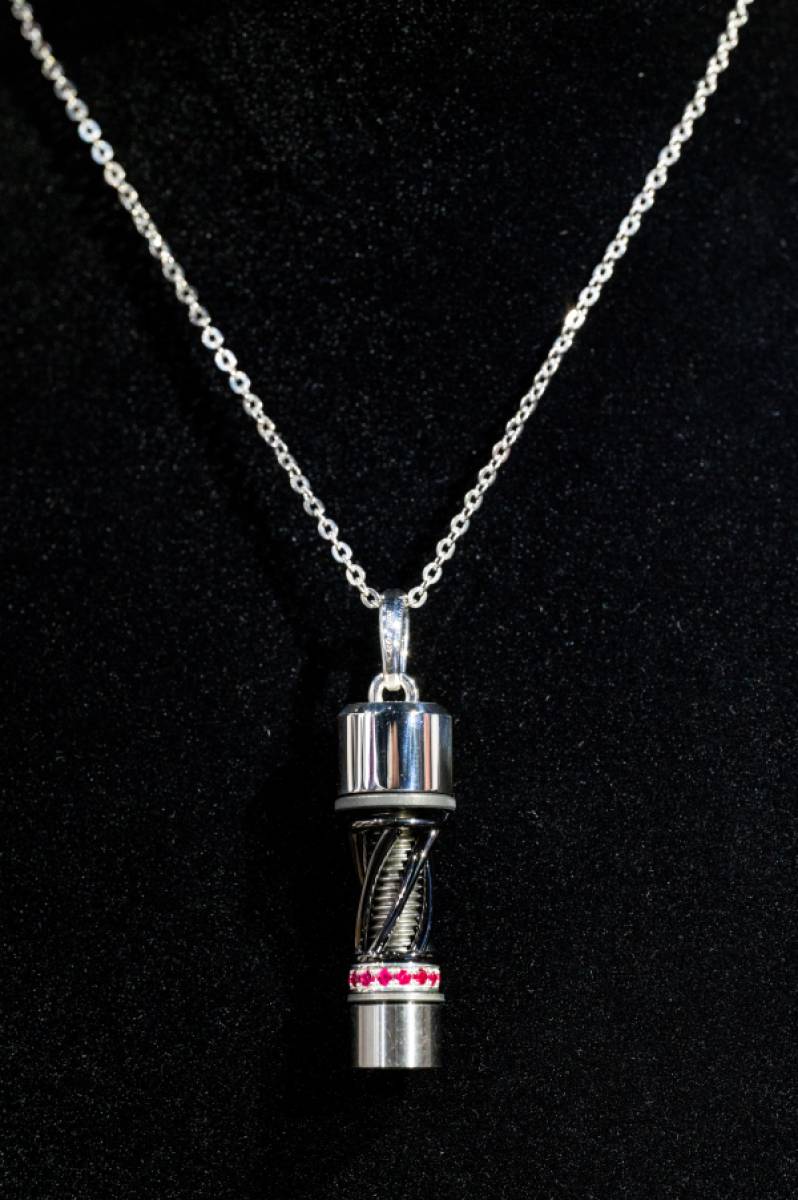
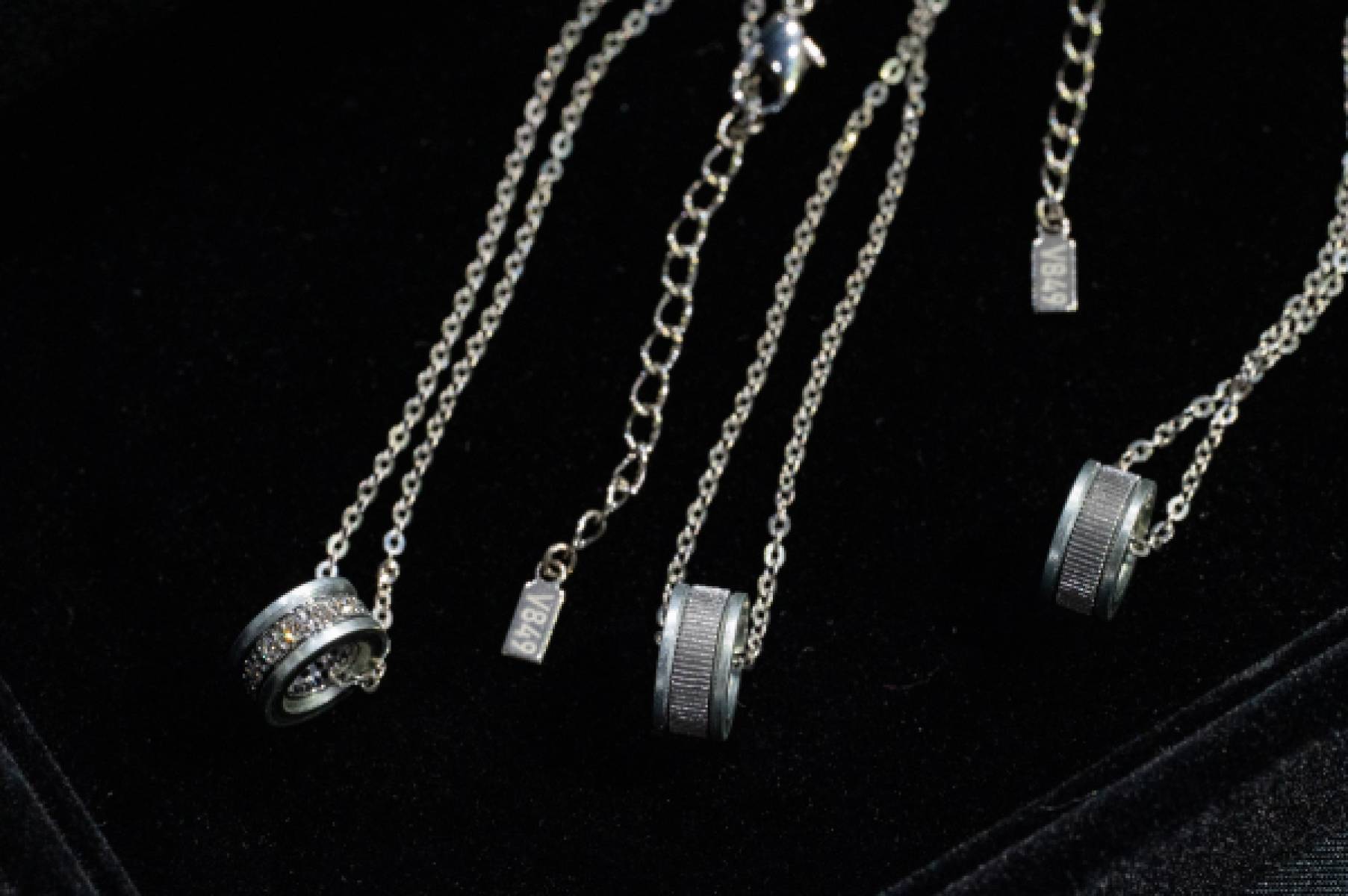
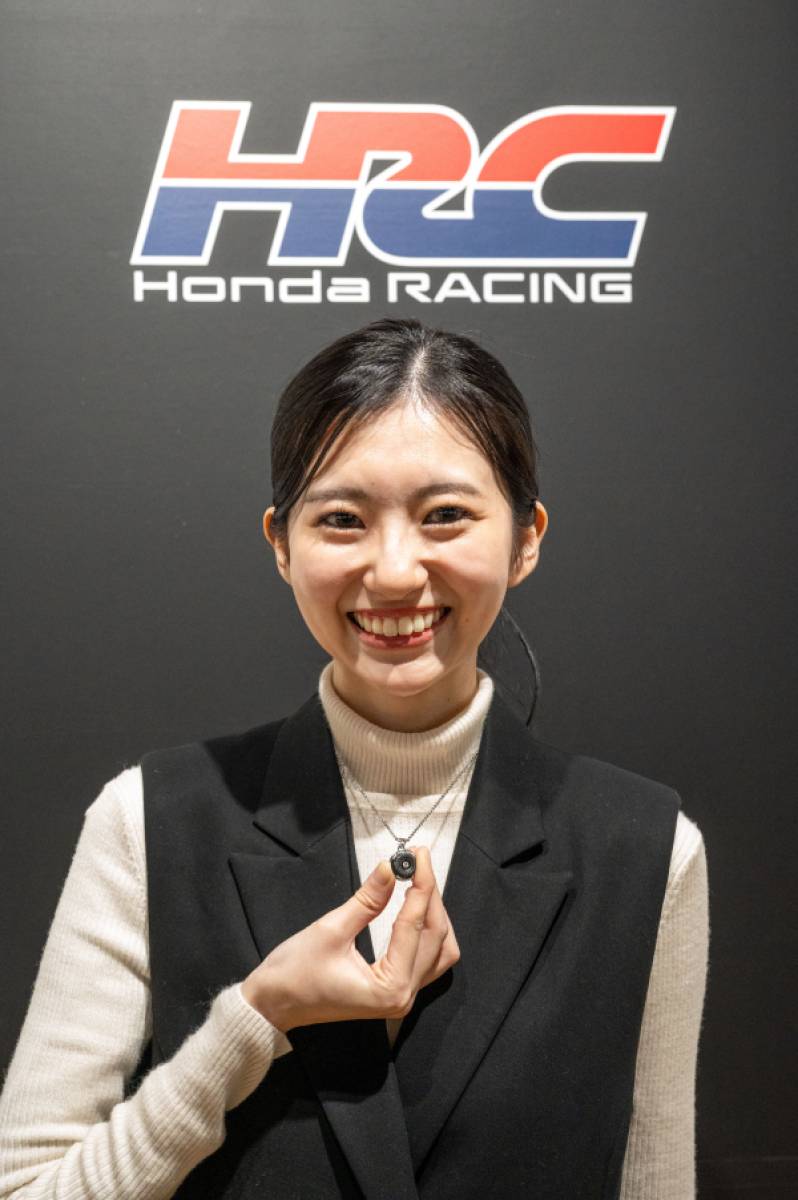
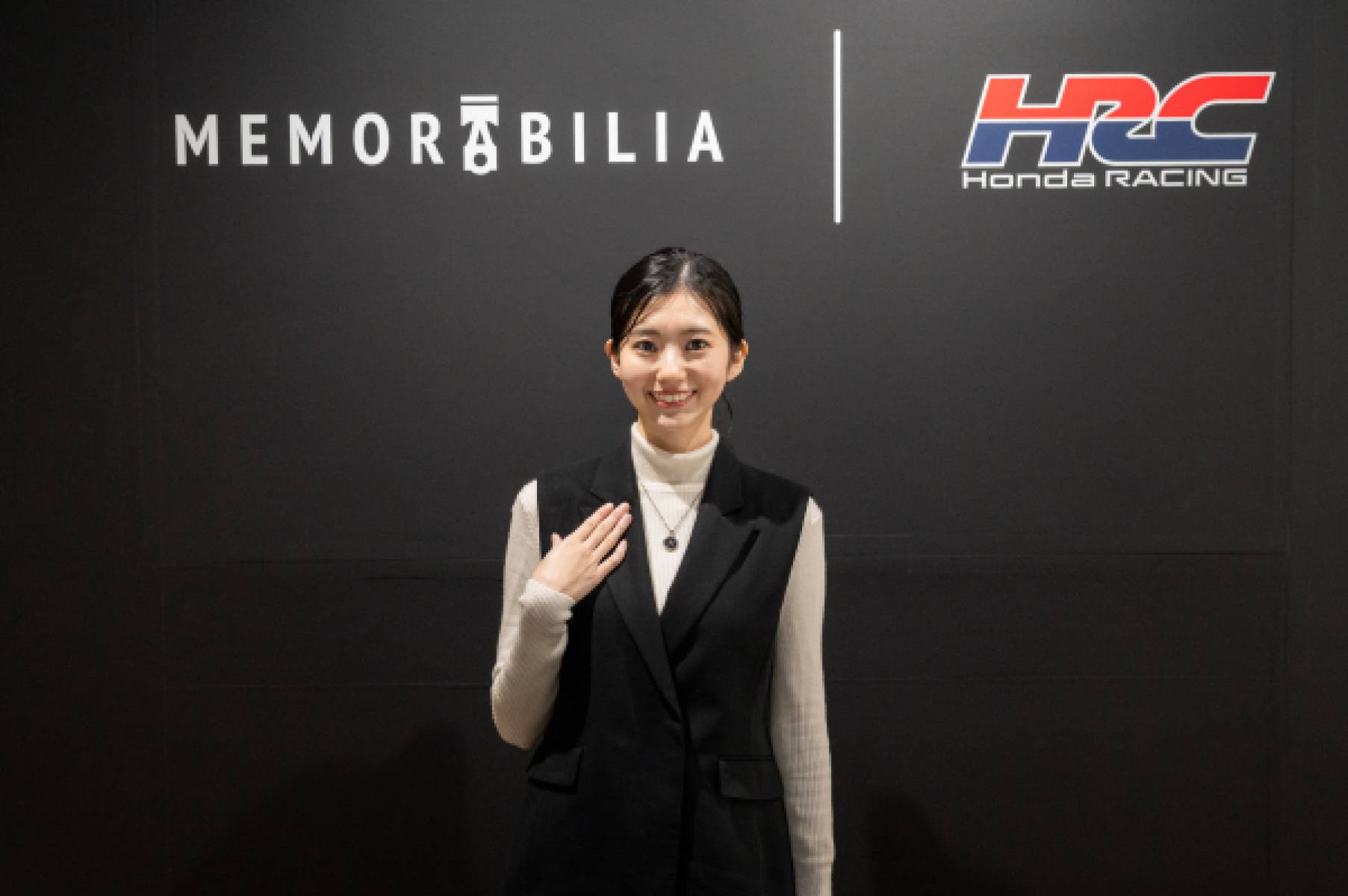
In addition, HRC explored ways to share even the smaller components—such as bolts, nuts, washers, and bearings—with customers. This led to the creation of decorative display items, as well as accessories and jewellery that can be worn on a daily basis, released as the “Art Piece Collection.”
The “Art Piece Collection” was created in collaboration with B.L.S. Co., Ltd., a company based in Kofu City, Yamanashi Prefecture, a region known as one of the world’s three major jewellery production centers. With its strong commitment to craftsmanship, advanced technical expertise, and “Made in Japan” quality, B.L.S. was considered to share values closely aligned with those of HRC, leading to the realization of this collaboration.
Toyoharu Tanabe (HRC, engine engineer for Gerhard Berger)
“I was responsible for Gerhard Berger’s engine at McLaren Honda in 1990, working on the RA100E. The RA100E was the second-generation V10 developed after the transition from turbocharged engines to naturally aspirated ones, and it was an engine that embodied everything we had been unable to fully achieve the previous year, as well as the challenges we wanted to take on. Through that process, it evolved into a highly refined and capable engine.
We re-examined every component, making incremental weight reductions, strengthening areas that had been weaknesses to improve durability, and turning into reality our ideas for extracting even more power. The RA100E was the result of those continuous efforts.
Now, 35 years later, that engine has been brought back to life through this memorabilia project. It had originally been sitting in storage, but the fact that people can now hold it in their hands, keep it close, display it, and appreciate it means that we are able to share the memories and the passion of that time with fans. I think that is something truly special. For me personally, it also brings back memories of working on those components and replacing parts back then, which makes this moment particularly meaningful.”
Masataka Sato (B.L.S. Co., Ltd.)
“I have been told that each F1 engine at Honda is assembled by hand, and in our case, we also craft jewellery by making extremely fine adjustments—down to increments as small as 0.05 mm—tailored to each customer’s needs, bringing each piece to completion. I felt that there is a strong affinity between F1 engines and jewellery in the way both pursue a finished form through the meticulous attention to detail and aesthetic sensibility characteristic of Japanese craftsmanship.
The engine components are particularly striking, as they were actually used in machines running at speeds exceeding 300 km/h. They bear multiple layers of linear scratches, and their edges have been rounded through wear. In jewellery-making, for example, diamonds are typically polished to eliminate any imperfections. However, in this project, we chose to regard each individual mark etched into the components as proof of the role they played in supporting the car’s performance and the engine’s power, and deliberately brought them to the forefront as a central feature of the design. We aimed to create pieces in which the parts themselves tell the story they carry, and we developed this project with that vision in mind.
I would be delighted if this jewellery could become a source of inspiration for those who are about to take on a new challenge, those striving to push forward, or those pursuing their dreams. Like Honda’s F1 engines, I believe these pieces have been crafted to provide a special kind of strength—helping individuals go beyond their limits and achieve their own sense of victory.”