Behind the Scenes of Honda RTL ELECTRIC Development: EV Trial Bike Takes On the World (Part 2)
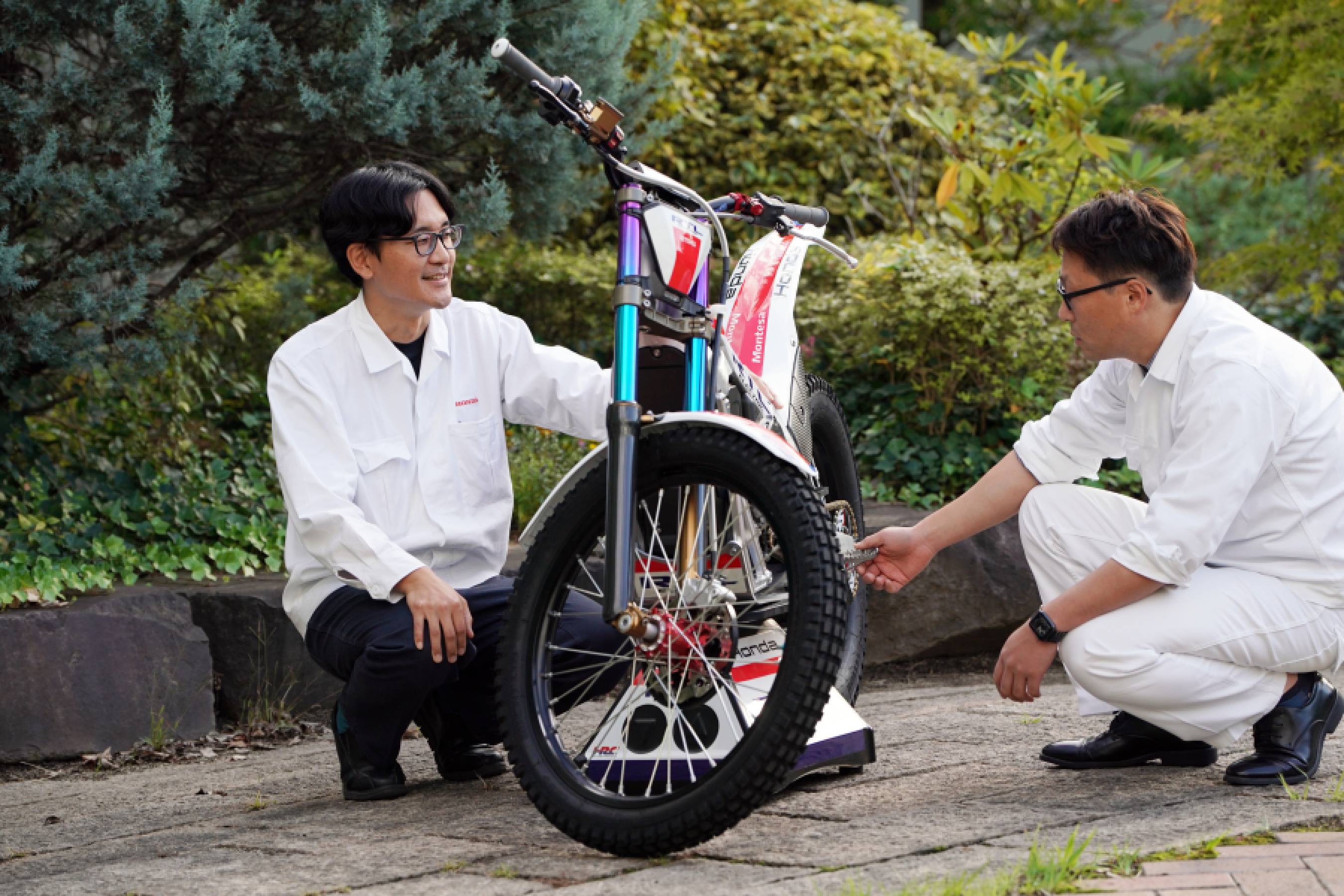
As its name suggests, the Honda RTL ELECTRIC is the electric vehicle (EV) version of Honda’s legendary RTL series of competition trial bikes. In 2024, the Honda RTL ELECTRIC competed in three rounds of the All Japan Trial Championship (JTR) as a real-world test. This year, 2025, the RTL ELECTRIC competed in all rounds of the Trial2 class in the Trial World Championship (TrialGP).
Part 1 traced the journey from the RTL ELECTRIC’s three consecutive wins in JTR to the unexpected setback of zero points in the Trial2 2025 season opener, followed by a major shift in strategy and transition to ‘a deep-reach’ setting, ultimately leading to victory in Round 2, Portugal.
Part 2 continues with valuable development insights shared by Hiroyuki Akiyoshi and Yusuke Fukao from Honda’s Electrification Development Division, Motorcycle and Power Products Eletrification Business Unit.
【Related article】
Behind the Scenes of Honda RTL ELECTRIC Development: EV Trial Bike Takes On the World (Part 1)
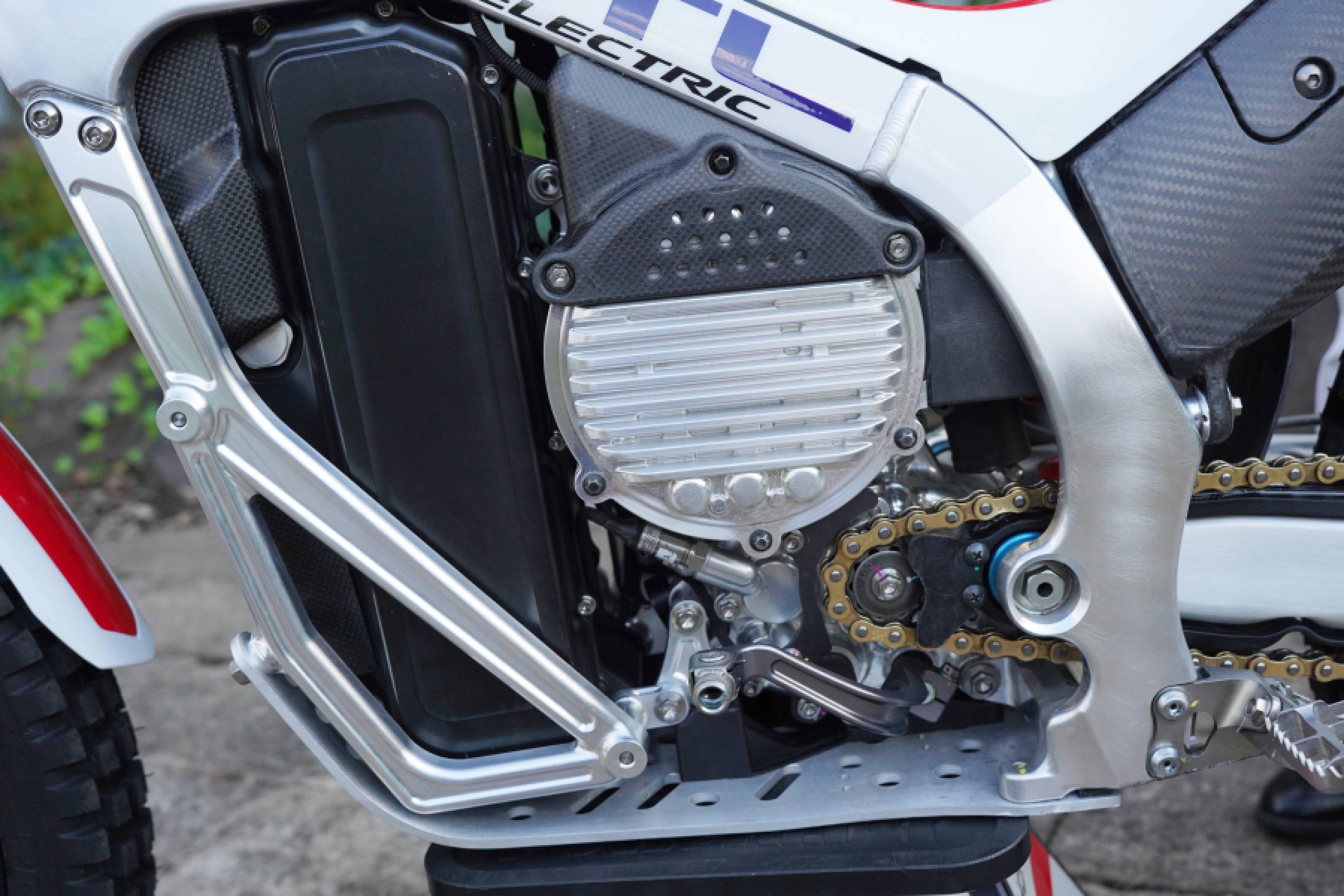
Under Fédération Internationale de Motocyclisme (FIM) rules, which the All Japan Trial Championship (JTR) also follows, EV trial bikes are classified as Type A if operating at 60V or below, and Type B for higher voltages. While higher-voltage Type B bikes can achieve greater power output, they require stricter safety measures. Consequently, some European manufacturers produce Type A bikes for the commercial market and Type B bikes exclusively for World Championship competition.
The Honda RTL ELECTRIC is a Type A bike operating at 60V or below. While higher voltage offers certain advantages, Honda sought the optimal balance for a trial bike. Through extensive consultation and calculations with the manufacturer regarding motor and battery selection, Honda determined the best feasible combination.
Akiyoshi: We basically perform simulations on PCs, enabling high-precision verification. This is another area where development differs from engine-powered bikes. Honda has extensive experience developing engine-powered motorcycles, so we can determine many aspects to a significantly accurate degree, but without that experience, it’s difficult. On the other hand, with EVs, most things can be simulated.
A trial bike demands a balance of output, range, size, and weight. Especially in EV trials, the underguard hits rocks violently, potentially causing internal battery cells to malfunction from the impact. Being light is not enough: durability is crucial. Designing the battery case to protect the cells from this impact was a major challenge.
Fukao: Our supplier worked very hard on the battery shape. We held meetings very frequently with their engineer, starting from the very basics—such as where to place a bolt. Even a slight difference in the position of one bolt, or removing just one bolt, could significantly change the entire structure.
Although the season opener was a setback, Gelabert subsequently showed strong form, steadily closing in on the top of the standings. However, several races without points late in the season made the fight extremely difficult.
Akiyoshi: We encountered issues and stopped mid-race. While it’s not a simple matter, I believe it highlights areas that weren’t fully refined during the prototype stage. In 2024, we only competed in three JTR races, and that span was less than half a year. But in 2025, we took a full year, significantly increased track time, and raced in a wide variety of locations. It might be an overstatement to say it was bound to happen, but our weaknesses inevitably surfaced. I believe those weaknesses became apparent towards the end.
In Race 1 on the first day of Round 6 in the USA, Gelabert was disqualified. This too stemmed from an issue with the bike. Once the race started, the development staff had no choice but to leave everything to the rider and crew. Also, being the first year with electric trial bikes, the operations staff undoubtedly had insufficient time to gain experience with the bike.
Akiyoshi: It feels like we misjudged the troubleshooting approach. We broke down in Race 1 and couldn’t continue without changing the battery. The rules specify where battery changes must occur, but we changed it in a different location. That’s what led to the disqualification.
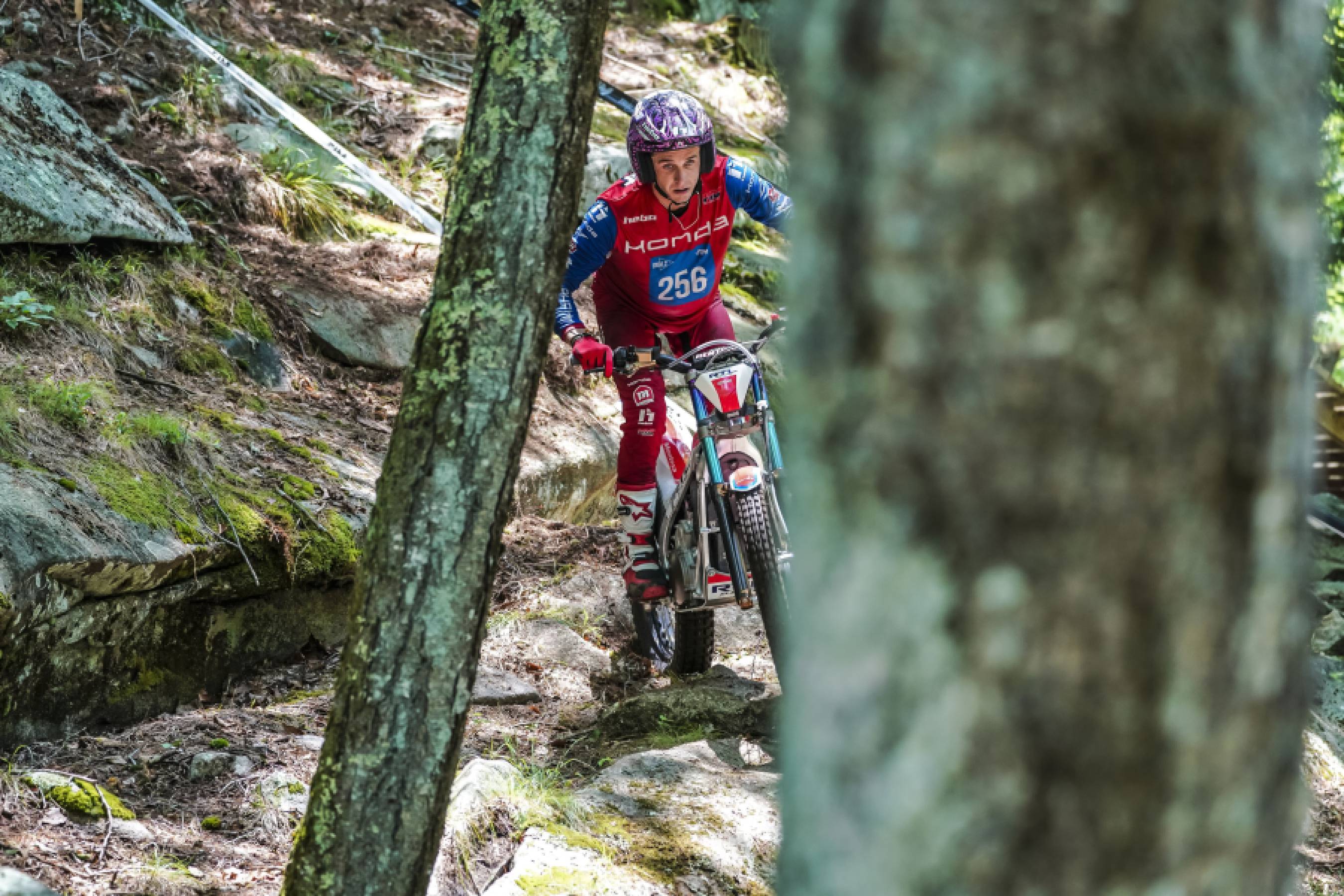
Battery issues in EVs are akin to an intake system failure in an internal combustion engine. Or perhaps it is like a hole in the fuel tank, or even a defect in the gasoline itself. Either way, it is quite devastating.
Akiyoshi: To be precise, it wasn’t a failure of the battery, but rather a state where it couldn’t supply power due to the impact of other issues. I suppose it just didn’t go smoothly.
EVs have restrictions on battery swaps, just as engine-powered cars are prohibited from refueling during competition. In that sense, it is fair for EVs to race with engine-powered bikes. However, while a gasoline leak can be temporarily patched up in the paddock with duct tape or repair compounds, an EV battery cannot be handled that way. This might be a current weakness of EVs.
Fukao: Zero points really hurt. We had another zero-points finish later due to an issue, and I feel truly sorry for what we put Gelabert through.
Akiyoshi: Honestly, if we’d achieved decent results in these races, the outcome could have been different. It’s a truly regrettable result, but I think race organizers were also dealing with this kind of bike for the first time. We had problems, but the race organizers also had significant personnel issues. Team members got injured or caught colds, and the race manager even stepped in as an assistant.
Honda Montesa team manager Carlos Barneda had a long history with Fujinami as rider and minder, having also served as his assistant during Fujinami’s JTR days. While they shared a battle-hardened, reliable bond, perhaps more experience with the Honda RTL ELECTRIC was still needed.
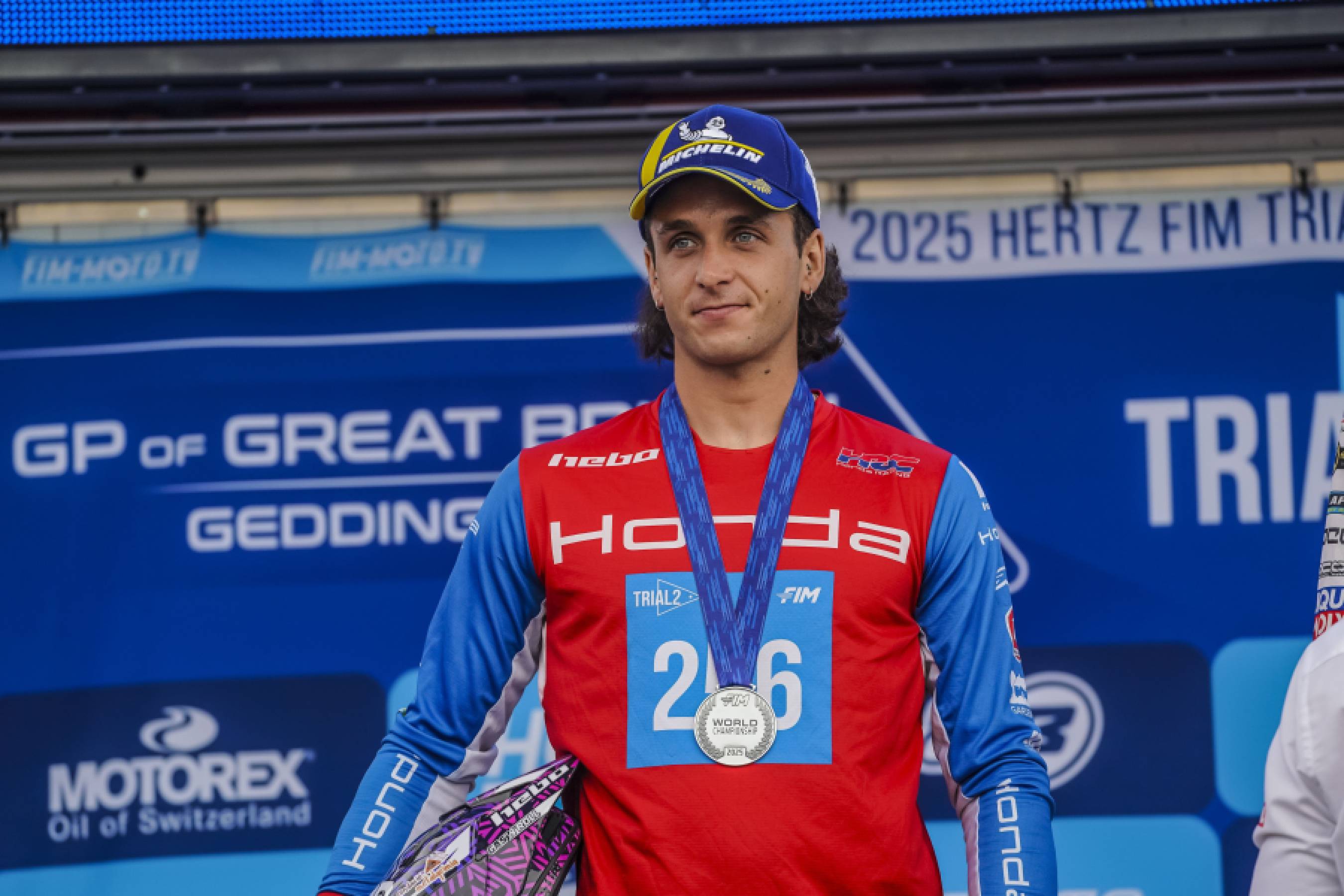
After completing the first year in Trial2, the focus for the RTL ELECTRIC now shifts to future plans, particularly the strategy for the 2026 season.
Akiyoshi: We haven’t been told activities will continue next year. However, we don’t believe we’ll stop after just one year. I expect an announcement about the 2026 season will come at some point. Various manufacturers have already launched EVs, and Honda should be aiming for the top in all categories. I don’t think it will end without us securing a championship.
While next season is still unknown, if Honda does not stop until they become champions, the battleground will likely remain the Trial2 class, as in 2025. What would happen if, hypothetically, Gelabert riding the current RTL ELECTRIC as-is moved up from the Trial2 class to the GP class?
Akiyoshi: When it comes to actual competition, it’s not straightforward because many factors beyond just rider skill and machine performance come into play. But watching him practice with GP riders this year, I’ve seen him perform on par with them in certain sections. Since Gelabert originally rode in the GP class, I don’t think his results would be too far off. I wouldn’t say he’d be on par with Repsol Honda HRC’s rising star Gabriel Marcelli (ranked 3rd in 2025), but I expect Gelabert would ride well enough to hold his own against his younger brother.
The younger brother, Anior Gelabert, entered TrialGP several years after his older brother Miquel’s debut, and is currently competing in the GP class.
Fukao: Gelabert has ridden the RTL ELECTRIC quite a bit even after the season ended, and seems to keep getting better. He really is an exceptionally skilled rider.
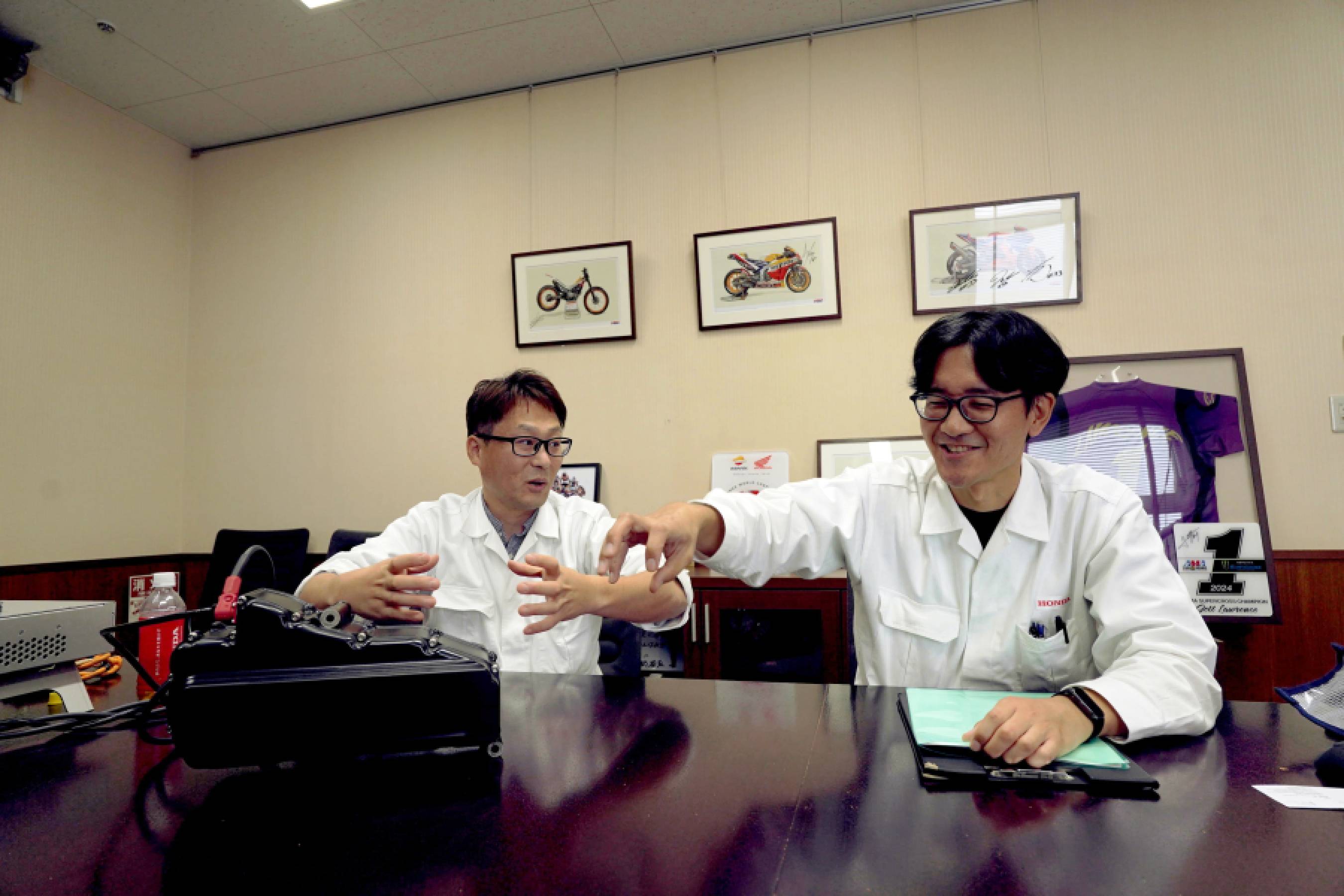
With 2026 fast approaching, what are the developers’ outlooks for the future?
Akiyoshi: Personally, I think it’s becoming clear that EVs have advantages in trial competition. Especially for smaller bikes for children, the weight can be adjusted by changing the battery size. They’re also easier to load into transporters. Beyond just the shape and performance, there are various benefits such as avoiding gasoline fumes lingering inside the transporter.
Honda’s racing spirit will not be satisfied until it reaches the top. While Repsol Honda HRC’s Toni Bou continues dominating TrialGP on an engine-powered bike, will Honda move to a dual-tracked approach, aiming for supremacy in EVs as well?
Akiyoshi: Personally, I think Toni will be riding an EV in the near future. I really hope that happens. Of course, it’s still far from decided, but as our own wish, we hope that future arrives soon.
The EV challenge has just begun. The dream will continue to grow bigger and bigger into the future.