

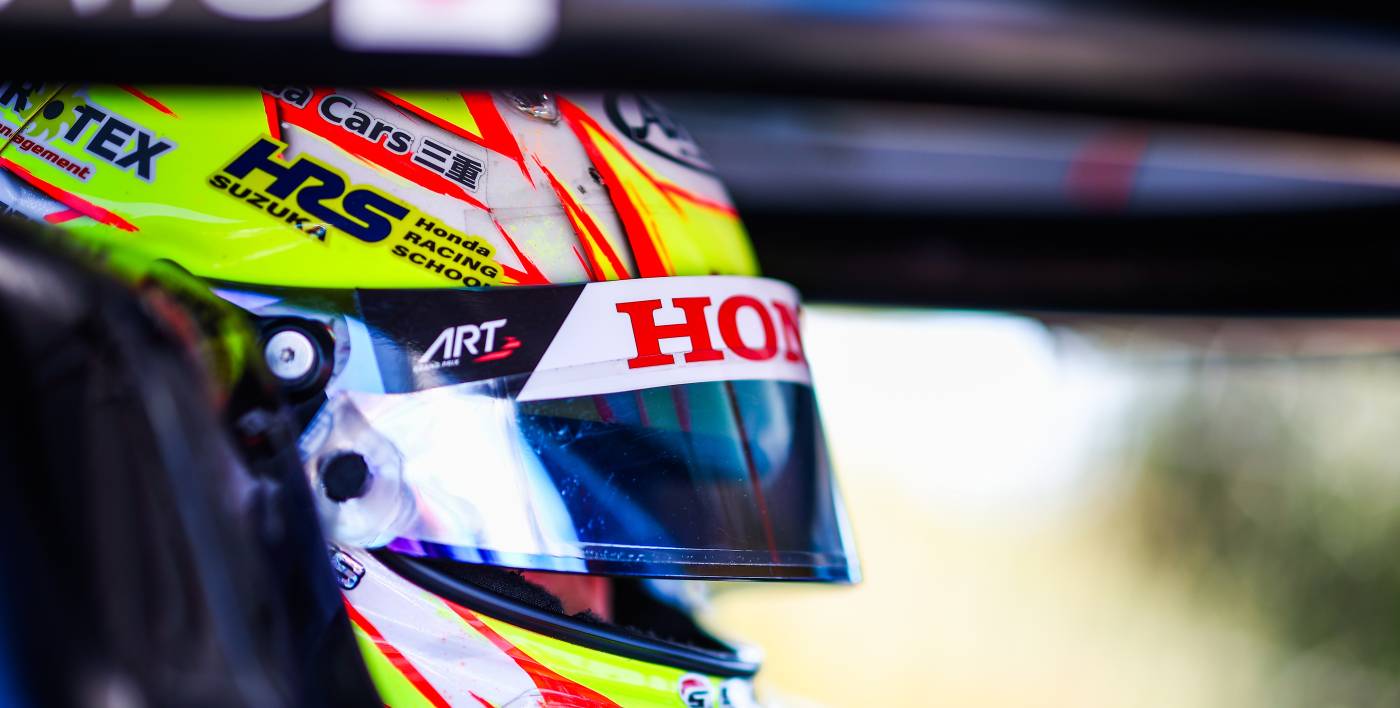
HRS - Nurturing future motorsport stars
The Honda Racing School Suzuka is an important first step for young prospects eyeing Formula 1, but their education doesn’t end there
Takuma Sato knows a thing or two about what it takes to reach the top of the motorsport pyramid. One of just three Japanese drivers to ascend a Formula 1 podium, he started 90 Grands Prix with Honda engines and delivered two Indianapolis 500 victories for the manufacturer. He qualified second for this year’s 109th running of the Indy 500, proving he’s still right at the sharp end of that pyramid.
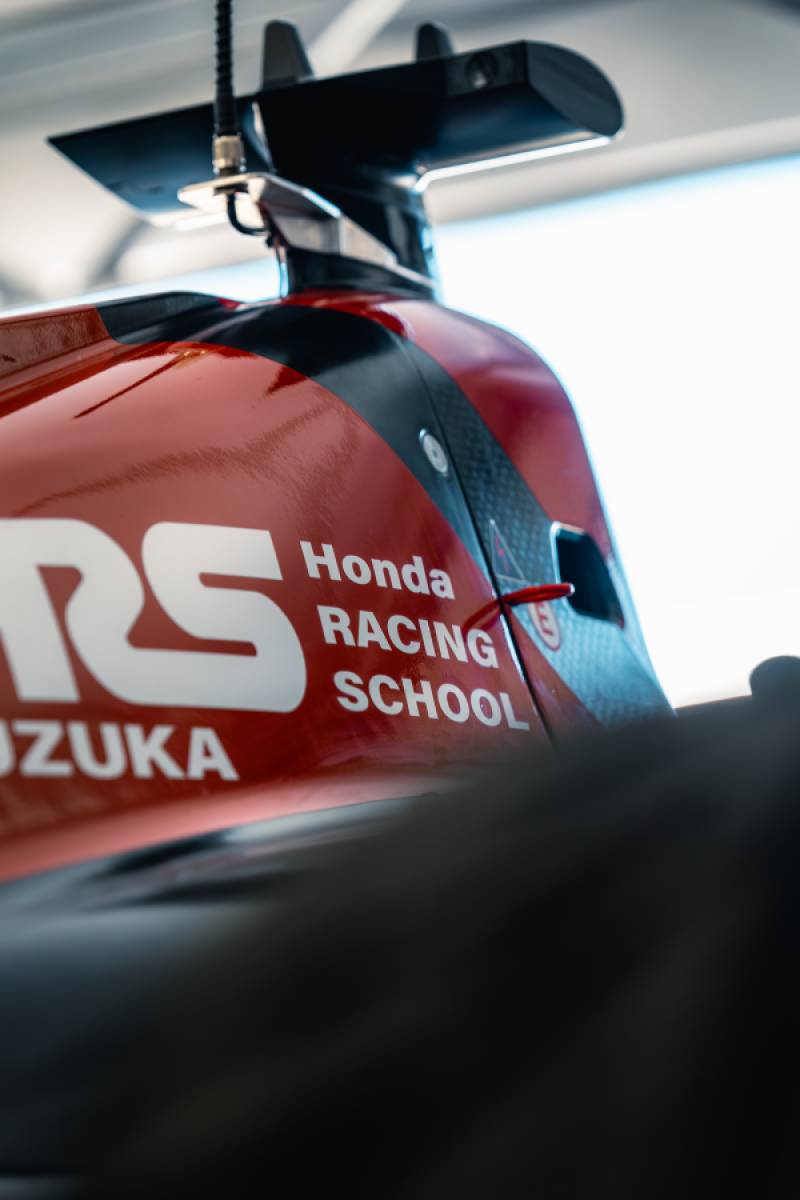
That means it’s worth listening when Sato, who continues to contest IndyCar’s blue riband event annually alongside his duties as an advisor to Honda Racing Corporation and principal of the Honda Racing School Suzuka (HRS), offers an opinion on the traits needed in a young driver. He’s clear that while speed is a fundamental requirement, it’s not the only one.
“The driver has to have a good ability to go fast, but racing is a team sport, so a driver really needs the ability to make a good environment,” explains the 48-year-old. “I often say the driver is the driving force that can put many things to go into the same direction. That’s ultimately what the greatest of driver does, because we need to make a car fast and you cannot drive faster than what the car can do.”
To reach the pinnacle, drivers must ideally possess in-depth mechanical and technical knowledge, be physically fit, and able communicators willing to engage with sponsor engagements. Moulding such a multi-faceted athlete is not the work of a moment, but Sato embraces the challenge involved with nurturing promising talents. To date all have been Japanese, although international drivers are welcome at HRS too.
“At Honda Racing School Suzuka, we’re not just trying to educate a skill,” Sato says. “It’s more of a global picture - how mentally prepared you are, what you need, not just for the short term but for the long term, so that the driver can maximise the experience.
“We’re not just looking into just one solution, but into globally how we can support them [over] multiple years, if allowed to do so. We’re looking for the humanity as well; not just a fast driver, but really [someone] to become an ambassador for Honda, an ambassador for their own country, an ambassador for motor racing and making a great relationship. That’s ultimately what we want to do and one day for the drivers who graduate this programme to become a winner in F1, IndyCar or many series worldwide.”
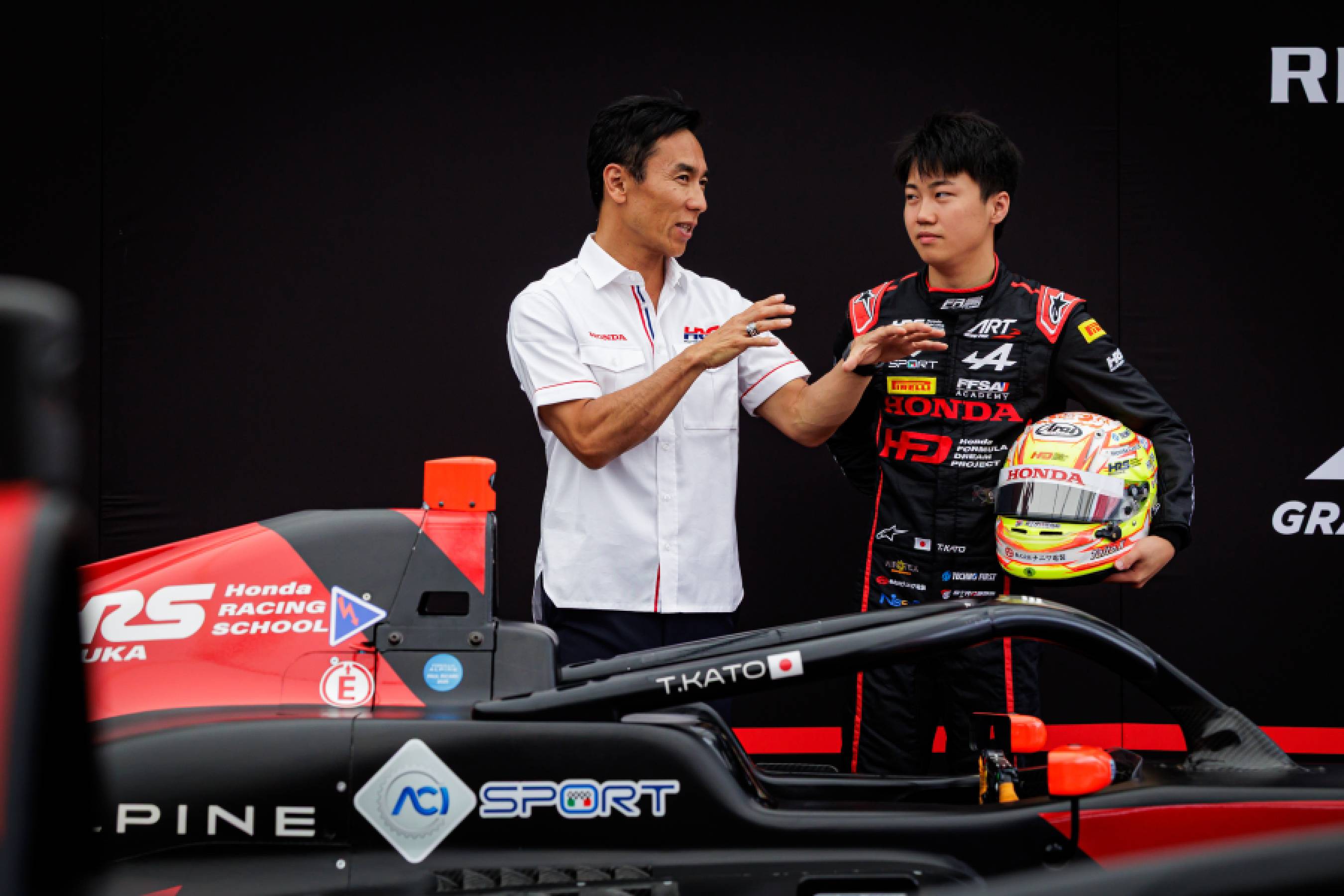
Master and apprentice
Sato himself started out at HRS, founded as the Suzuka Circuit Racing School in 1995, before blazing a trail through Europe and making his F1 debut in 2002. He only has fond memories of that formative experience.
“I was so happy to graduate from the Honda Racing School Suzuka,” remarks the 2001 British Formula 3 champion. “When I was 20, I basically had zero experience. I only did karting for half a year, entered HRS, and I had to compete amongst drivers who already had 15 years of experience. That programme gave me opportunities.”
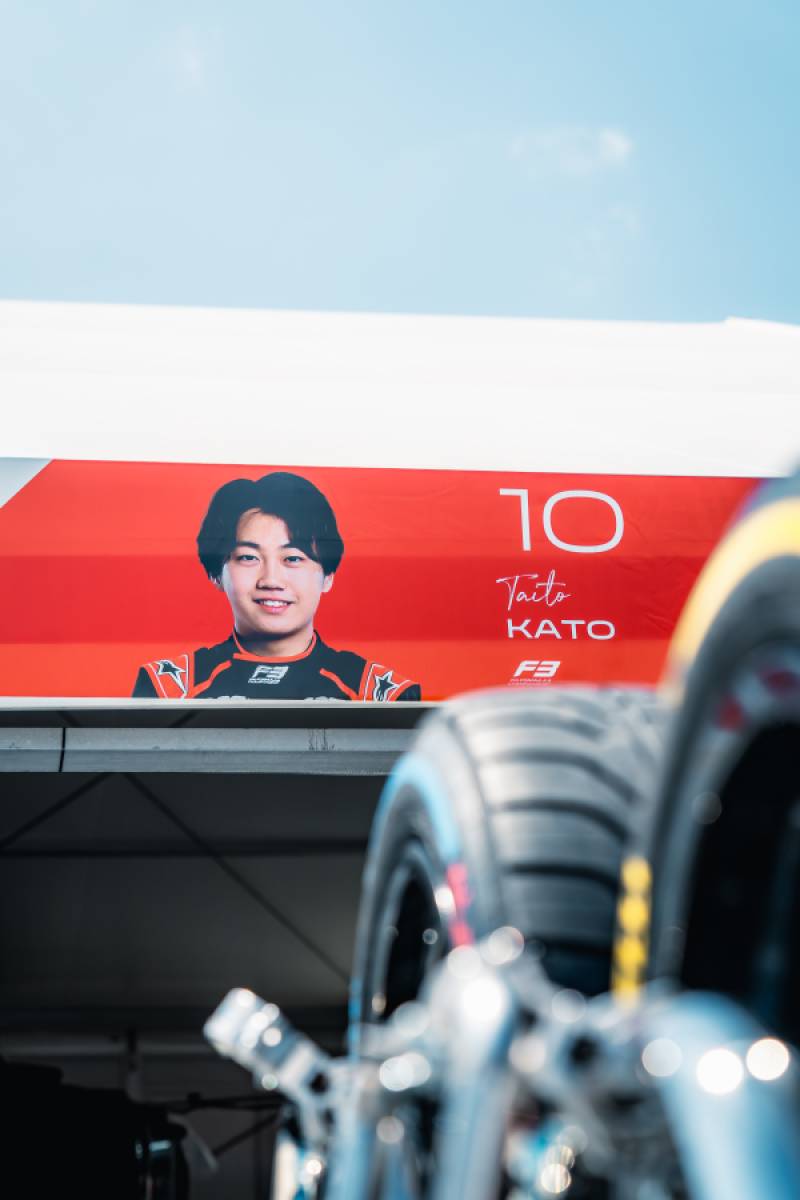
And the same goes for drivers today supported by the Honda Formula Dream Project (HFDP). The next step following HRS involves following Sato’s path to Europe to get a grounding in a very different culture. Ayumu Iwasa, who has to date completed three F1 practice sessions alongside racing in Super Formula, is a shining example of what can be achieved by HFDP programme members after winning the French F4 championship in 2020 and the Super Formula title in 2025. Souta Arao and Yuto Nomura also headed to France in 2022, and Taito Kato won the title in 2024 while Rintaro Sato contested the series in 2025.
Kato, who indulges a passion for calligraphy in his spare time, is clear that he wouldn’t be racing without a scholarship that followed his impressive performances at the HRS after facing financial difficulties in karting.
“The teachers were Super Formula drivers,” remembers Kato of his first single-seater experience. “I did a lot of learning in the Honda Racing School; how to drive the car, how to do tyre warm-up, how to move the car [using weight transfer].”
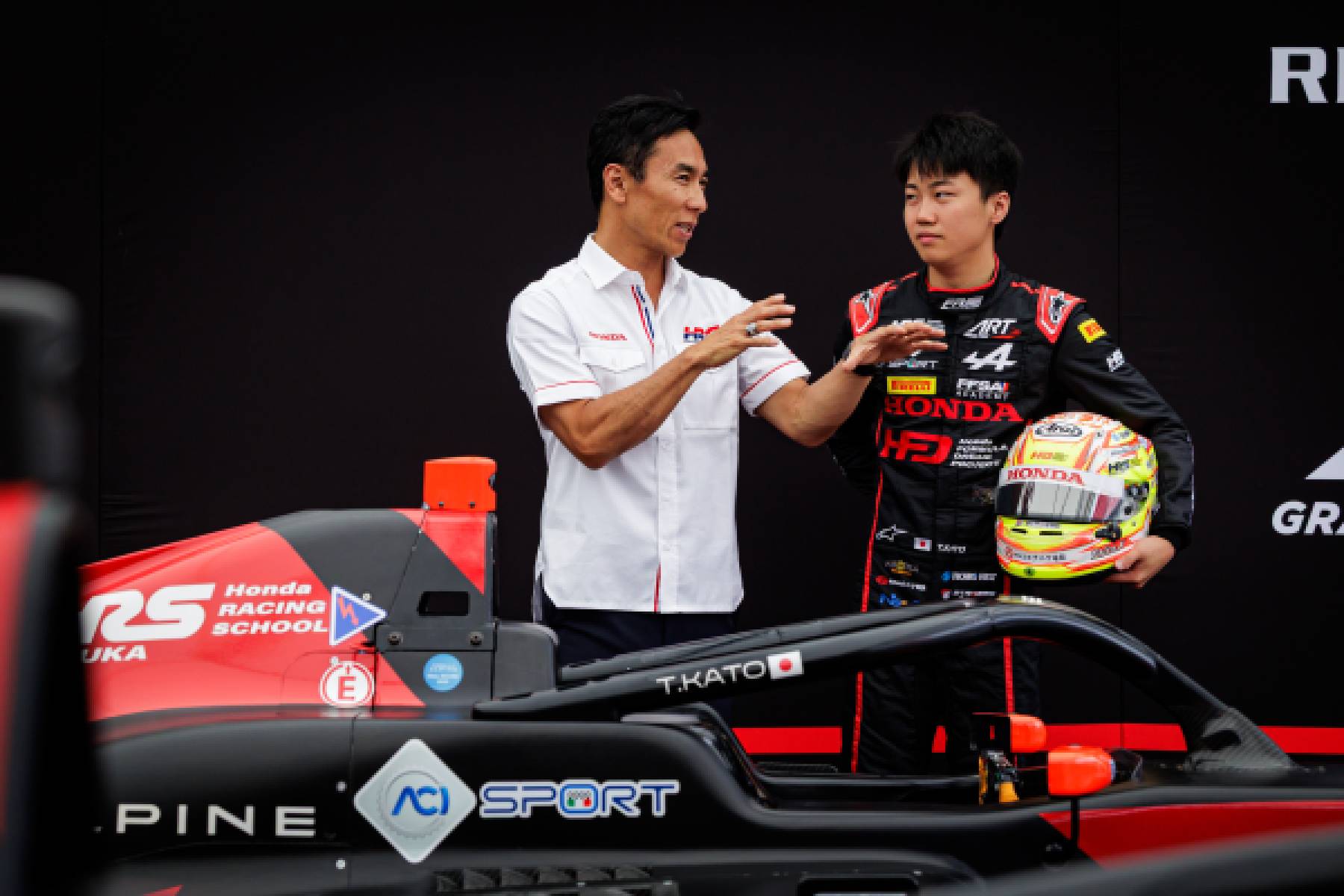
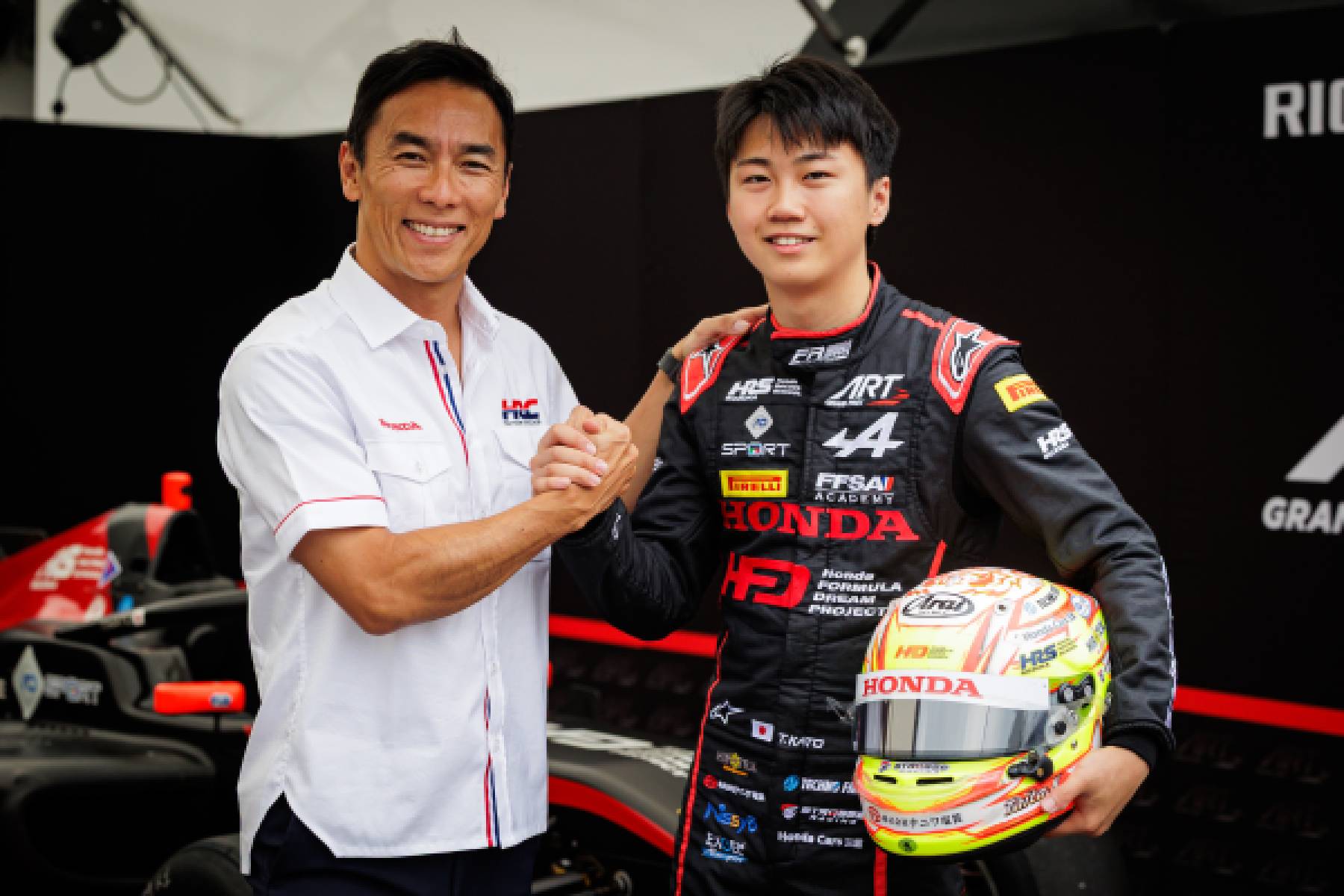
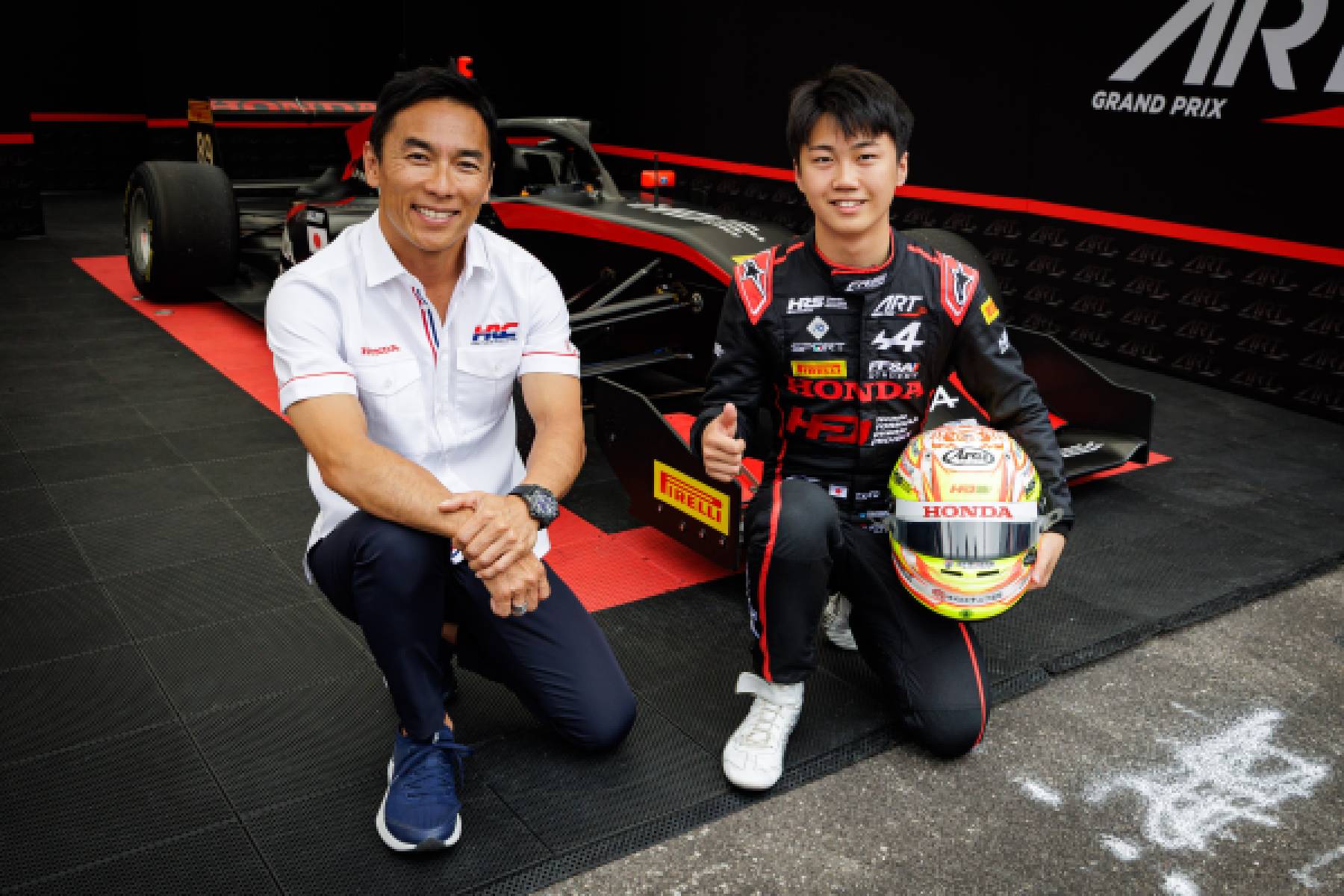
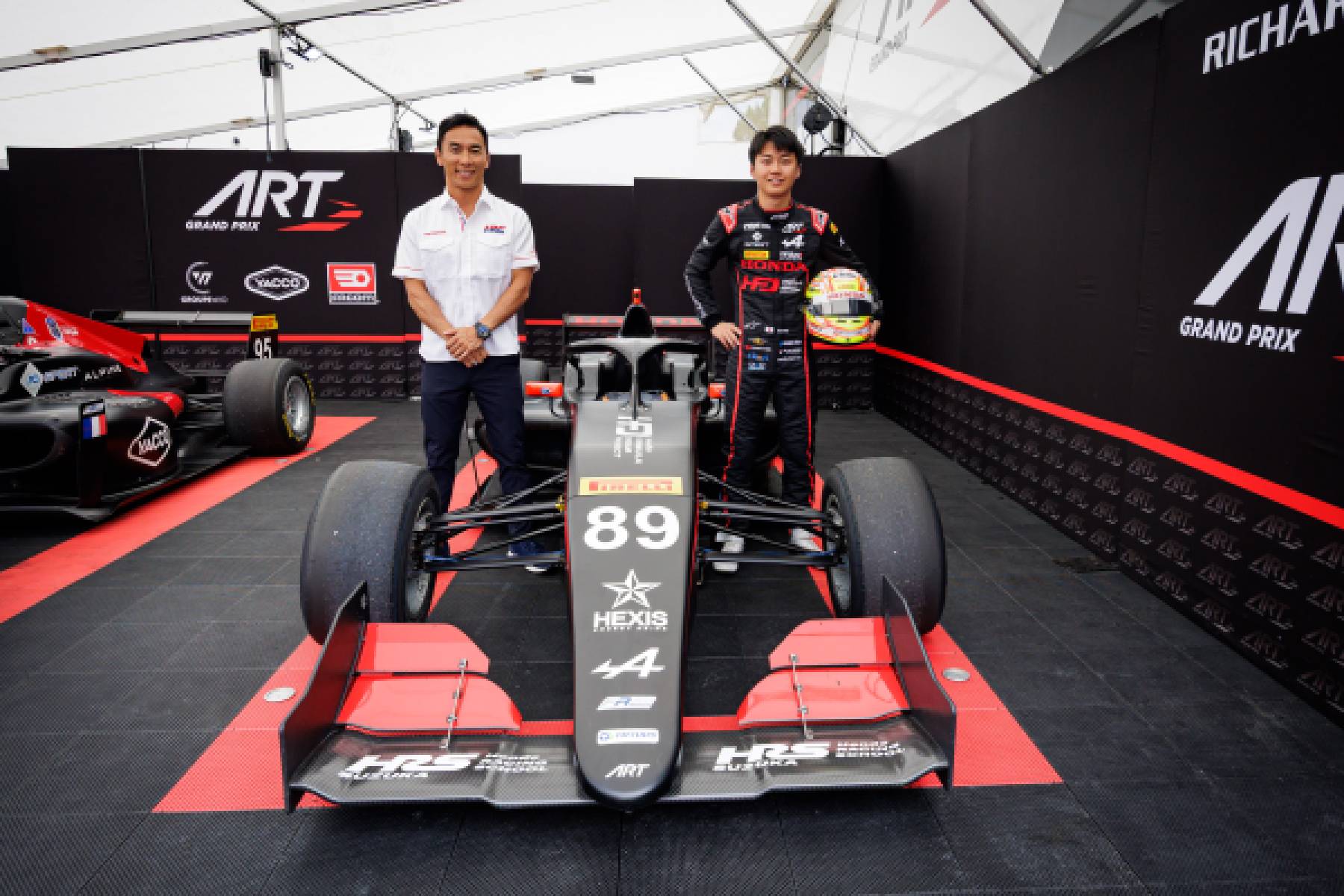
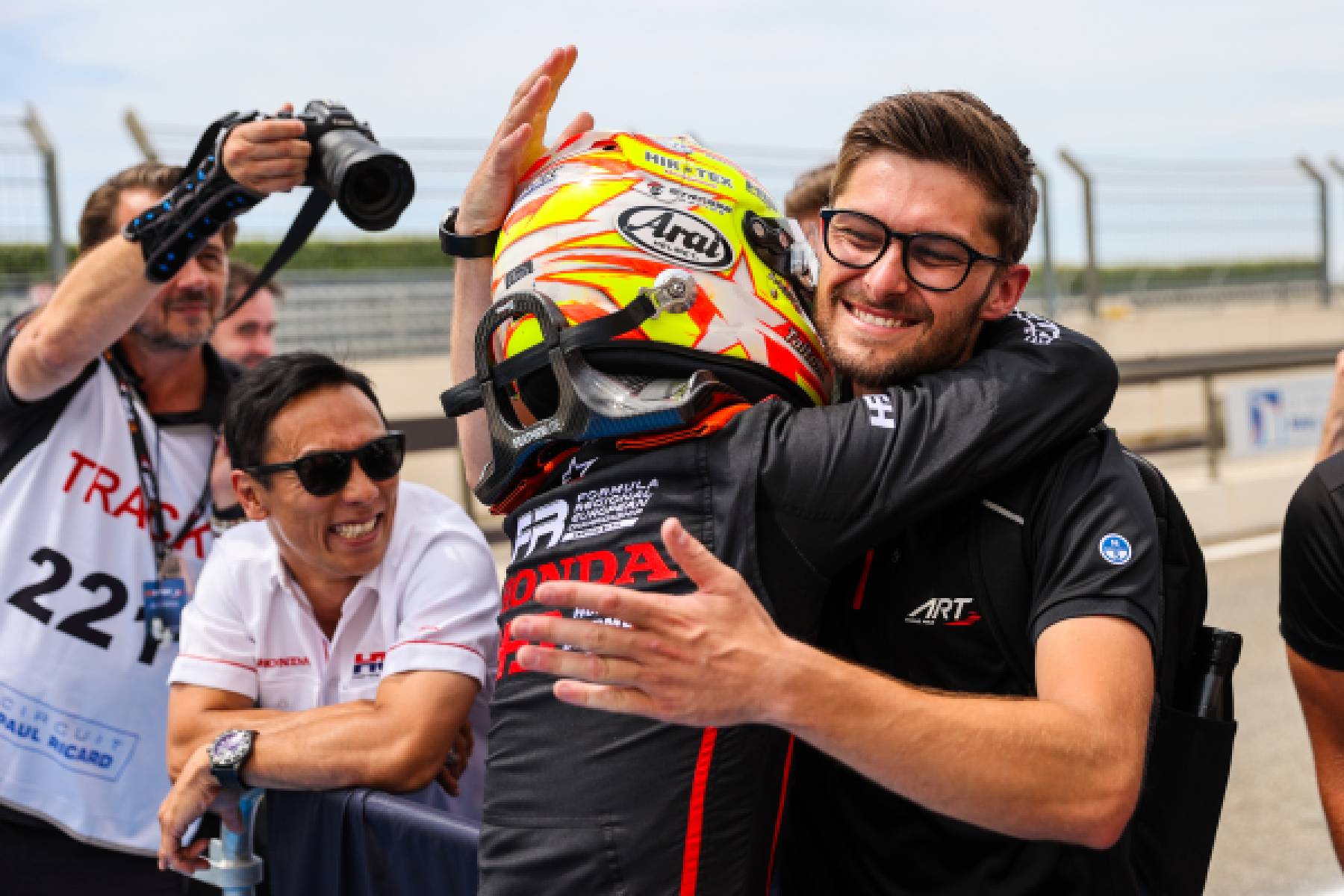
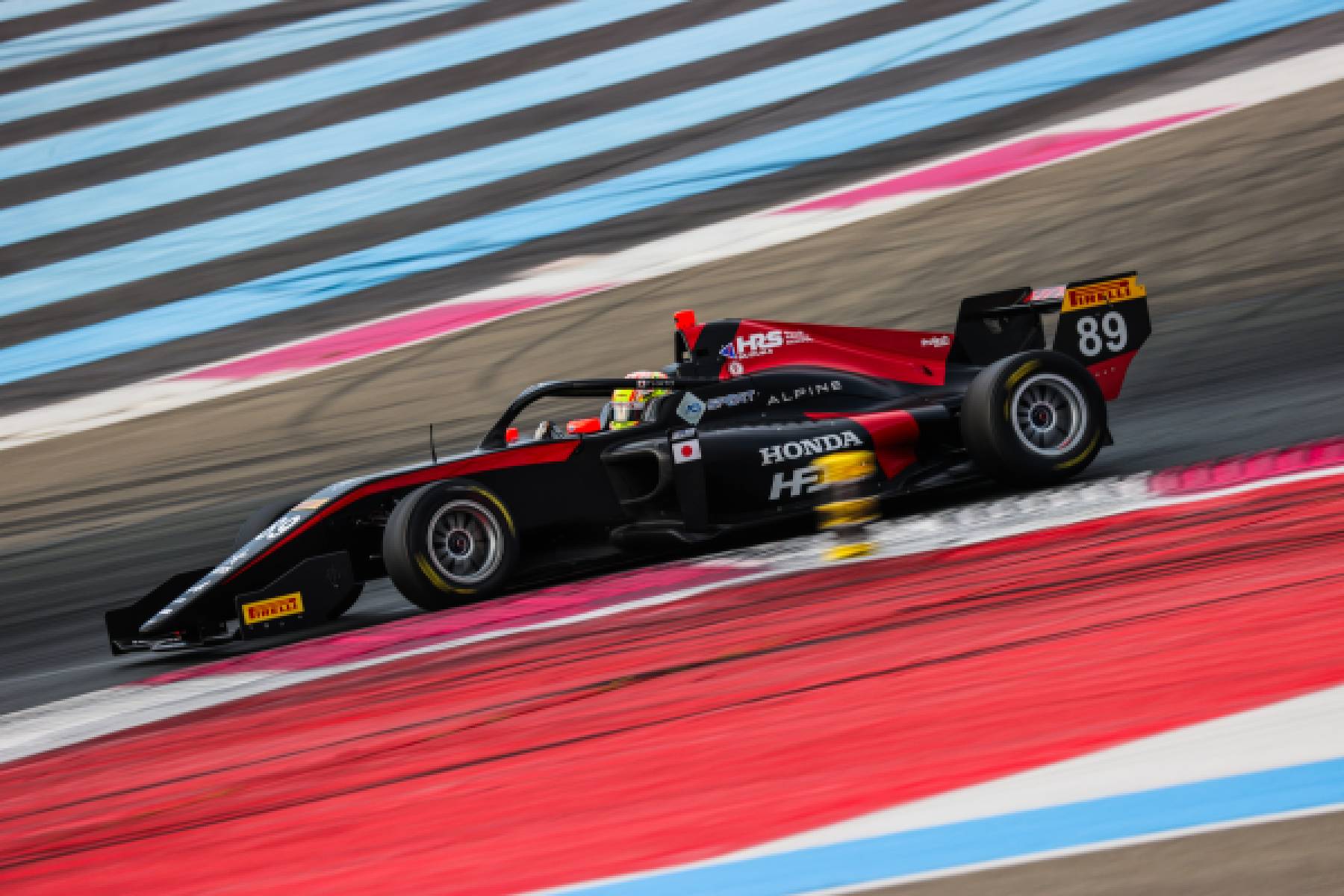
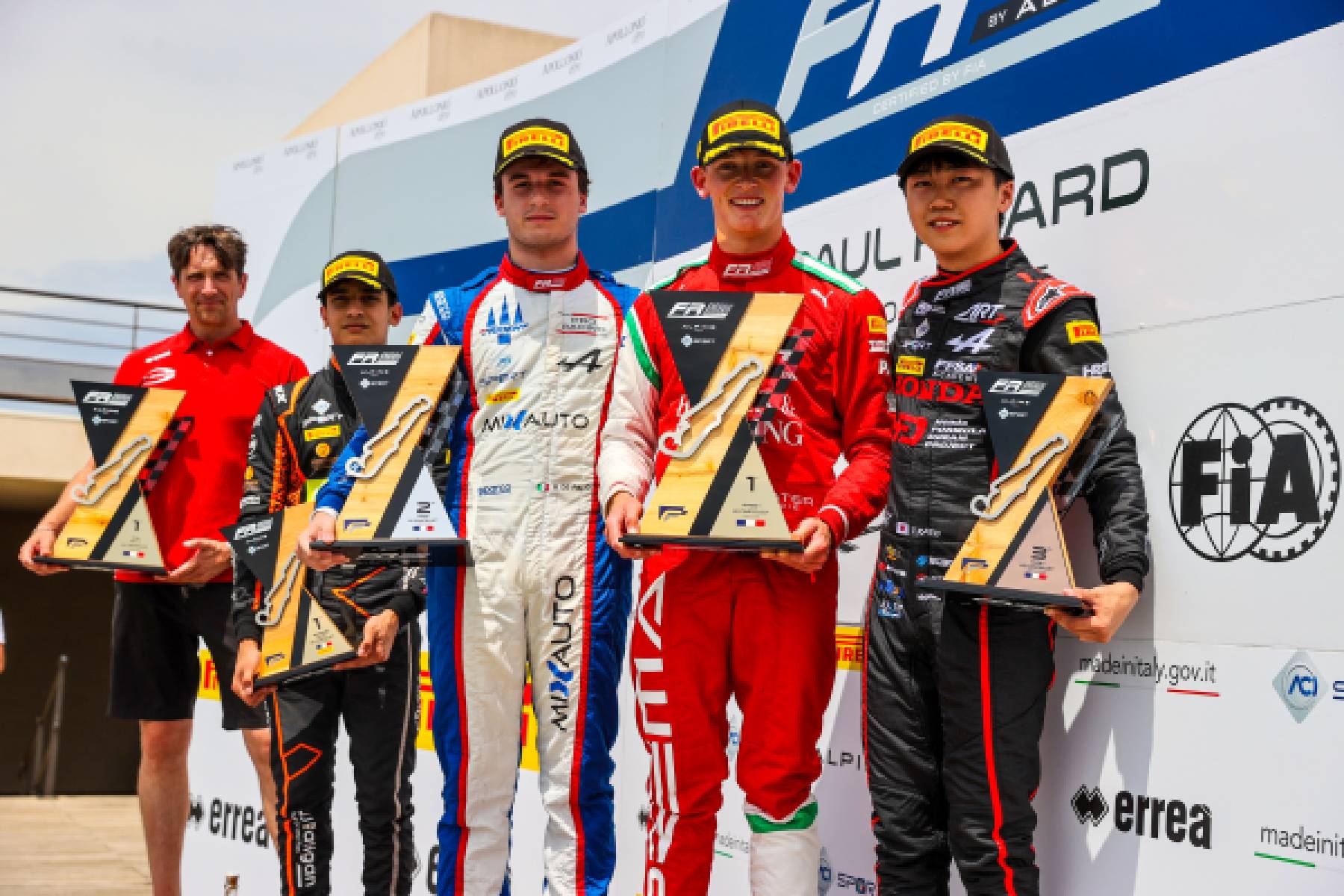
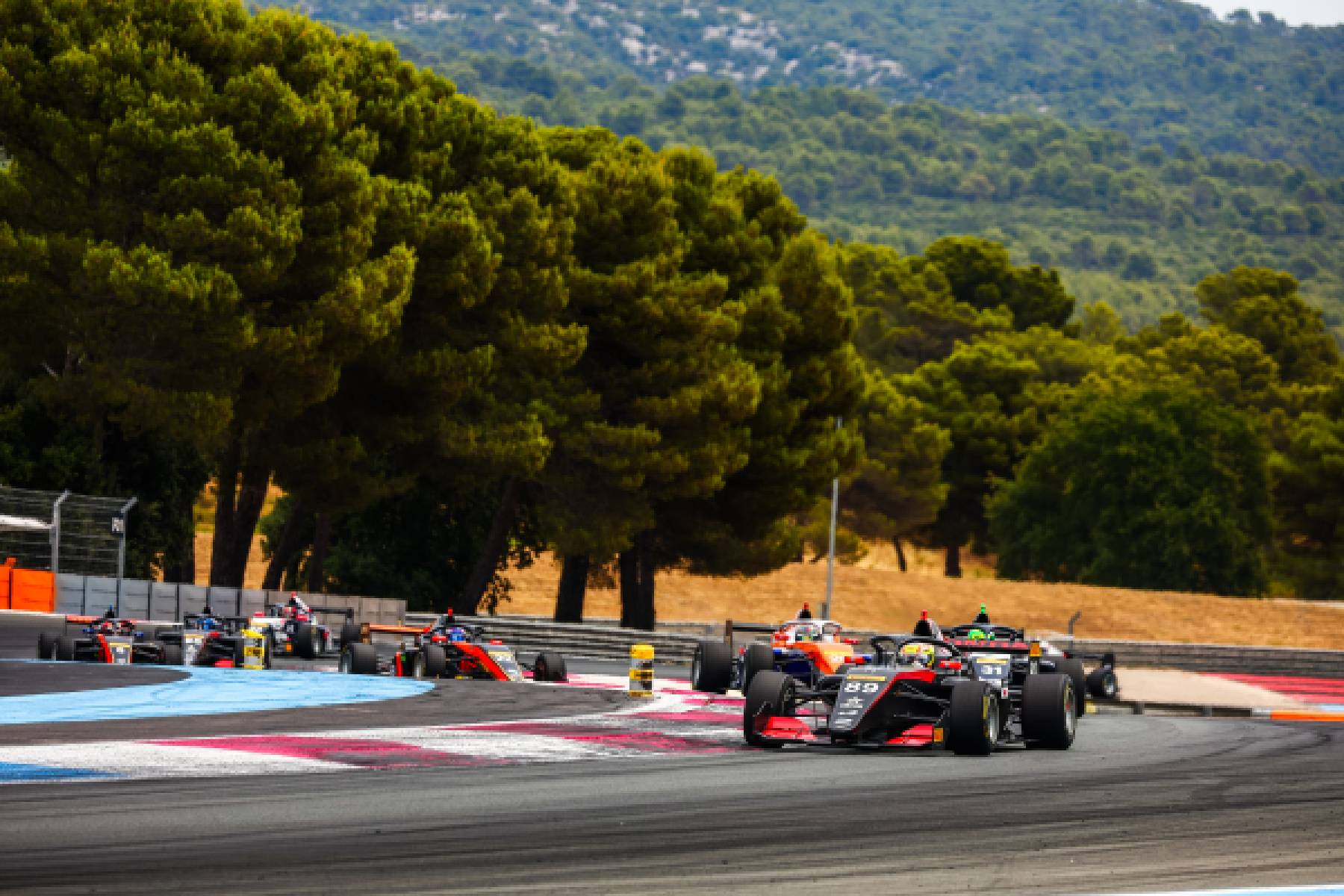
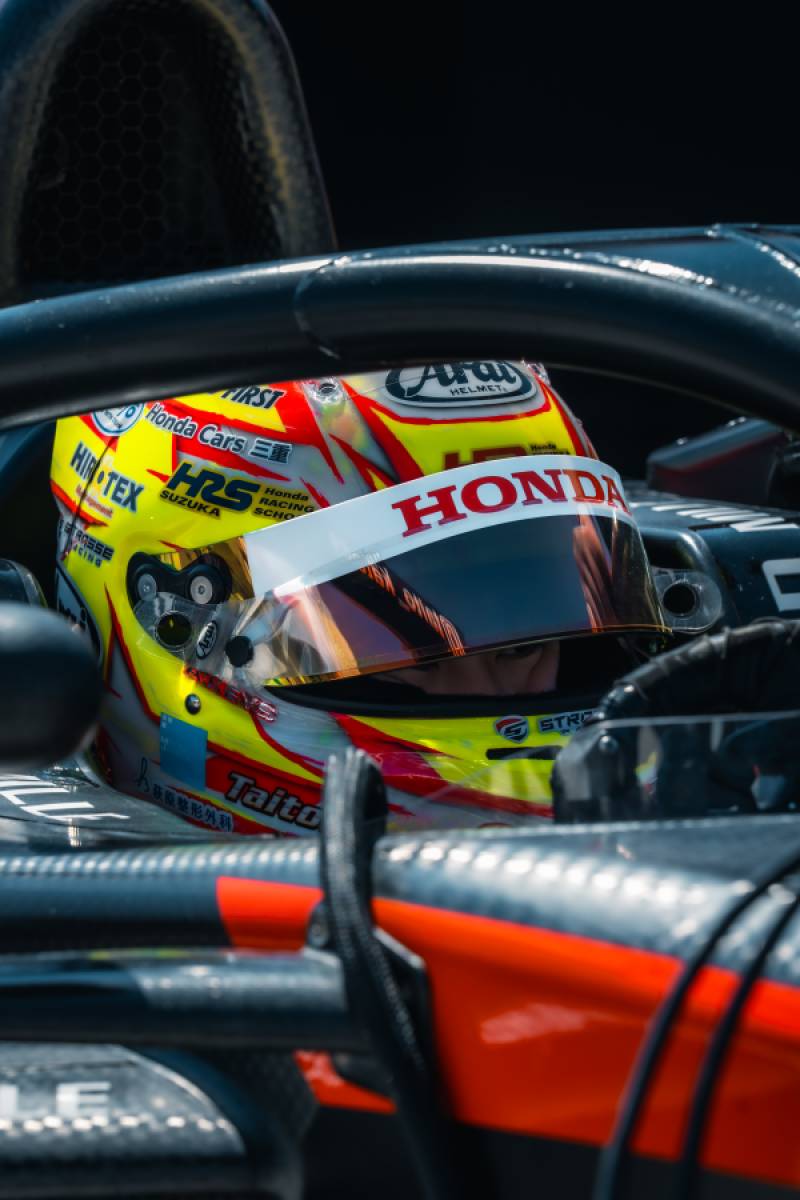
After applying those lessons to a trophy-laden maiden season in car racing, Kato has graduated to the Formula Regional Middle East Championship and Formula Regional European Championship by Alpine in 2025, with mentor figure Sato regularly at his side. The ART Grand Prix driver took three podiums in 2025 and took his maiden win in the renamed Formula Regional Middle East Trophy in round three this season - encouraging performances given the depth of competition and extent of his learning curve.
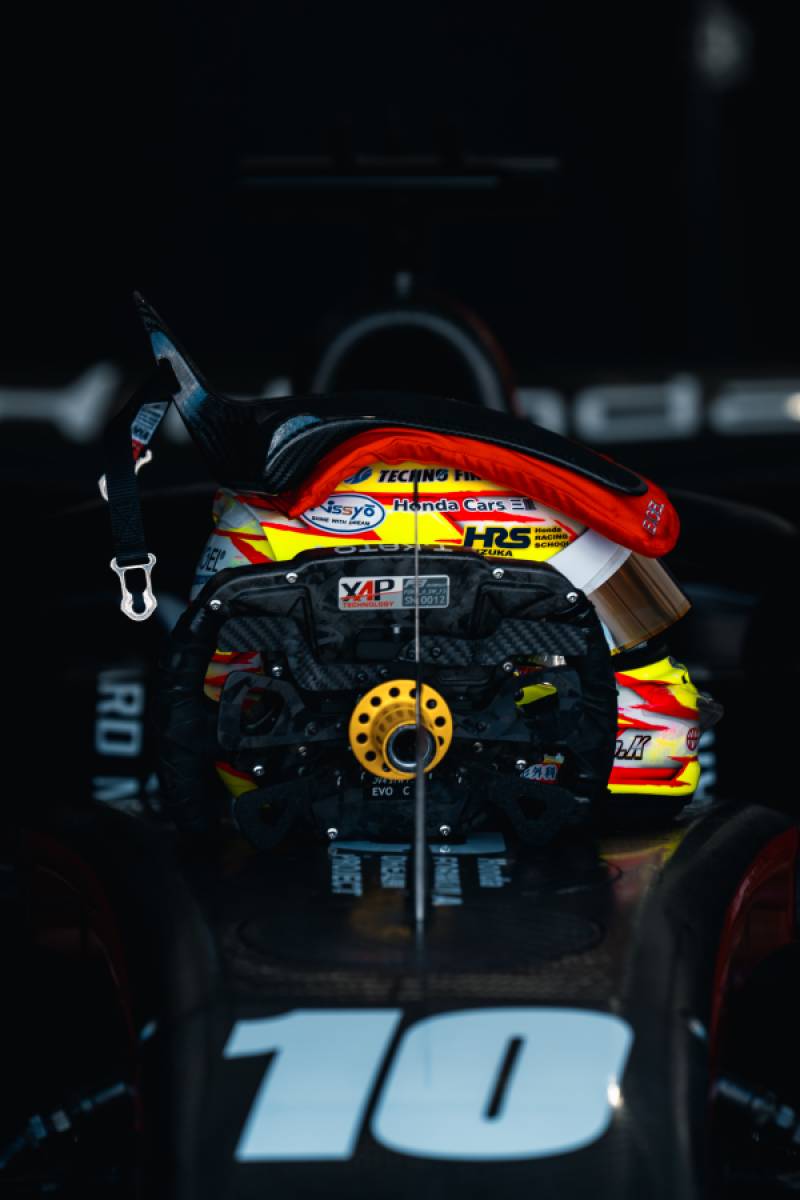
Aside from adjusting to a more powerful and aerodynamically advanced Tatuus chassis, FRME C/ FRECA is the first time Kato has been able to alter car set-ups to his liking, which was not possible in HRS and F4 (where cars were centrally run by the FFSA Academy instead of by teams). In addition to taking Kato between the circuit and hotel, as the 17-year-old doesn’t yet have a road licence, Sato is an invaluable resource to help with understanding the data and offering suggestions on set-up direction – though he stresses that the final decision is always made by the driver and engineer.
“He said, ‘if it’s me driving, I would change that set-up, this set-up’ and he’s teaching me some opinions,” reveals Kato. “I had never experienced the car set-ups before, so he is helping me a lot.” Sato adds: “It’s important that he’s really aware of what’s happening. We want the driver dealing directly with the engineer.
“I’m only here to support with my experience. If there is anything that I can see, I will try to make a tip. Taito or young drivers often miss things because they don’t know how to see it. I support them and try to understand what’s happening. So, what do you need? What is the one single element to go faster? I support him in him in how to compare the data in an efficient way, because the time is ticking.”
Sato’s moral support has also proven helpful to the youngster. Kato cites how, during a tricky weekend at the Hungaroring, Sato urged him not to fixate on the result and instead to concentrate simply on doing his best. “It helped me relax in the race,” he says.
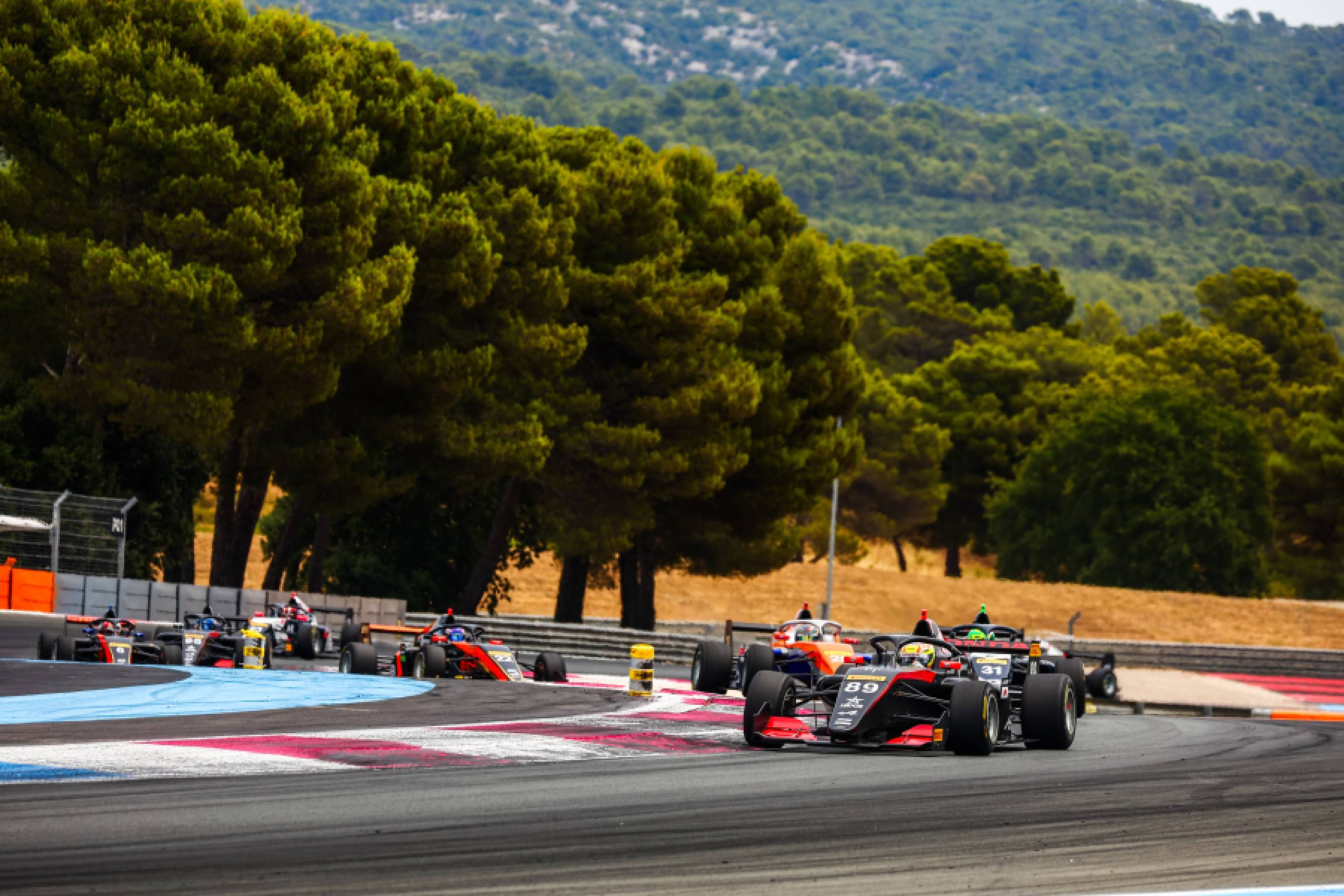
A broad education
Having never driven in Japanese single-seater championships prior to making the move to Europe, Kato doesn’t have a point of reference to compare. But his experience so far has been enormously positive. He has come to regard ART as “like a family”, vindicating Sato’s outlook on the benefits of racing half a world away from home.
“After Honda Racing School Suzuka, we want them to have experience of living outside of Japan and to deal with European culture,” explains Sato. “English is a must-have tool, but it’s important for them to learn so many things.
“We believe that FRECA is a great platform for the young driver to learn and develop. It is the best category before jumping to the proper FIA F3, because track time is very limited.”
Its calendar is also highly appealing. All bar three FRECA tracks this year are also on the current F1 schedule, of which two have featured in the past decade. Another upside is that the same cars are used in the Formula Regional Middle Eastern Championship, which runs over the winter and allows drivers to gain race experience prior to the European season. Kato took his first win in this year's FRME - indeed, Sato believes “a two-year programme is a solid plan”.
“It’s almost a must-have, a Middle East championship,” he says. “You can squeeze into a one-year programme to gain almost two seasons.”
Sato’s influence is clear to see in Kato’s holistic outlook to progressing his racing career and repaying HRC’s faith in him. He is learning French alongside English, which he spent an intensive month studying in the Philippines. “I am still learning it, I need to use it every day,” Kato insists. “When I stayed in Japan it was quite difficult to learn English because I couldn’t use it every day.”
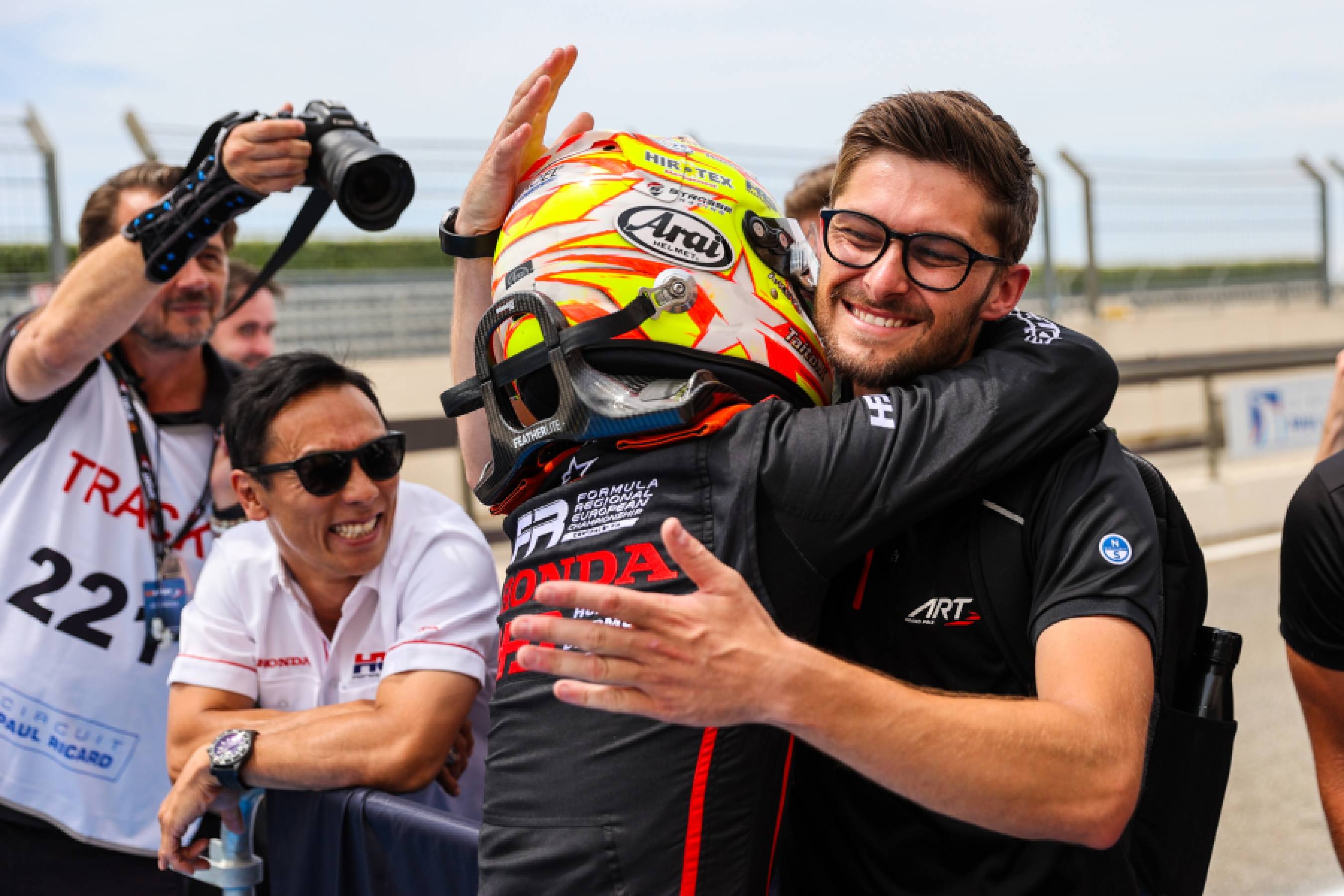
What's next
As HRC is present not only in top-tier single-seater categories including of course Formula 1 and IndyCar, but also in the IMSA SportsCar Championship’s GTP class, as well as the ultra-competitive Super GT category in Japan, there is no shortage of potential destinations for its HFDP protégés. But Kato is clear that staying in Europe and reaching F1 is top of his agenda. Indeed, in 2026 he steps into Formula 3, starting his season with a podium in Melbourne.
“For now, my target is not Japan,” he says. “Of course, Suzuka is an awesome circuit and I want to drive there… but I want to drive in Formula 1 at Suzuka! If it’s getting Formula 1 wins and championships, I think then I can say that I’m proud of me. For now, I cannot say that. I just never give up and target this goal, I just want to be a Formula 1 driver.”
Kato likens his prominent HFDP support to being “quite similar to F1 junior programmes” and has every intention of keeping the relationship rolling. That is no surprise to Sato. “This is a great programme,” he says. “You can make a dream come true, you make your chance by yourself and you grab it.”
HRC’s nurturing influence will be vital to Kato and his HFDP peers in their future careers. Should they make the best of the experiences they are exposed to, they will surely go far. Sato puts it simply: “If you have a great attitude, I think you can make it.”
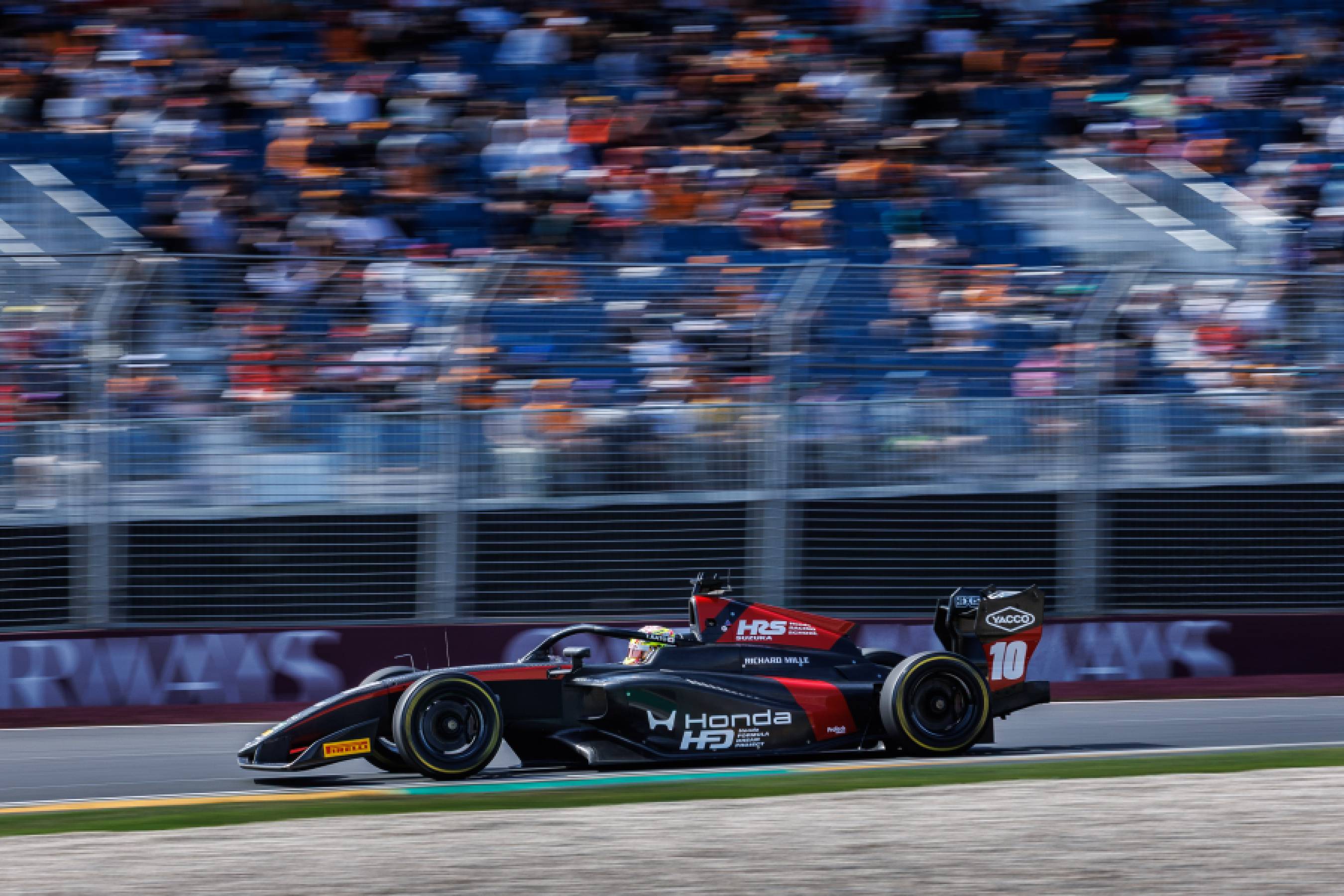
©Dutch Photo Agency, Getty, HRC